 0
0
 0
0
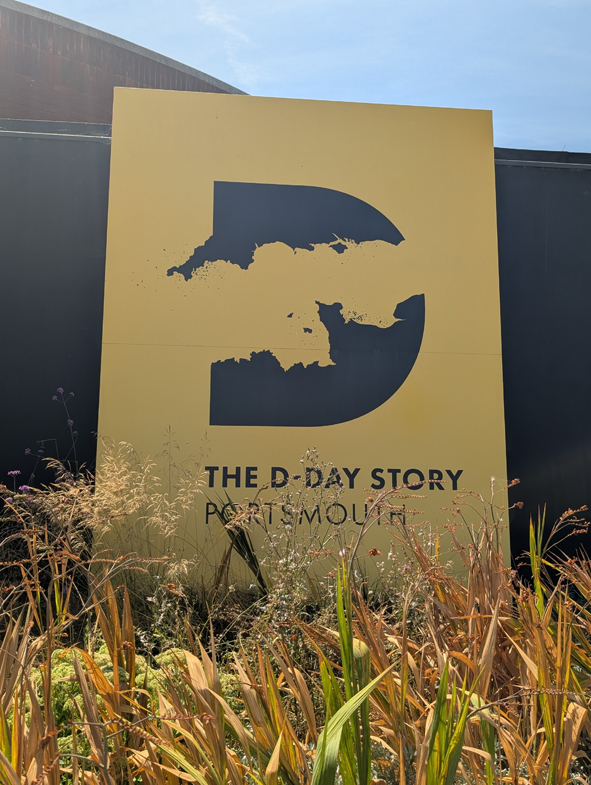
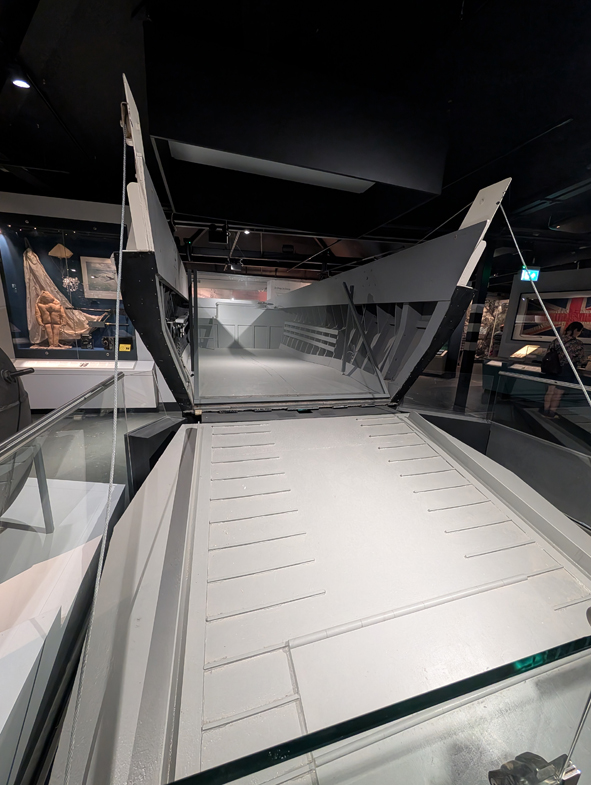
A last minute decision this morning to visit the D-Day Museum in Southsea. The only surviving Landing Craft from the D-Day landings had been restored and on display at the museum. It was of particular interest as this one was built at Hawthorn Leslie at Hebburn.
LCT-7074 is the last preserved Landing Craft Tank (LCT) from D-Day, and it played a vital role in transporting men and supplies across the English Channel.
After it was retired, LCT 7074 was transformed into a nightclub in Liverpool called Landfall. However, it fell into disrepair and sank in Birkenhead docks.
It had been carefully restored back to how it was for the D-Day landings and opened to the public in 2022.
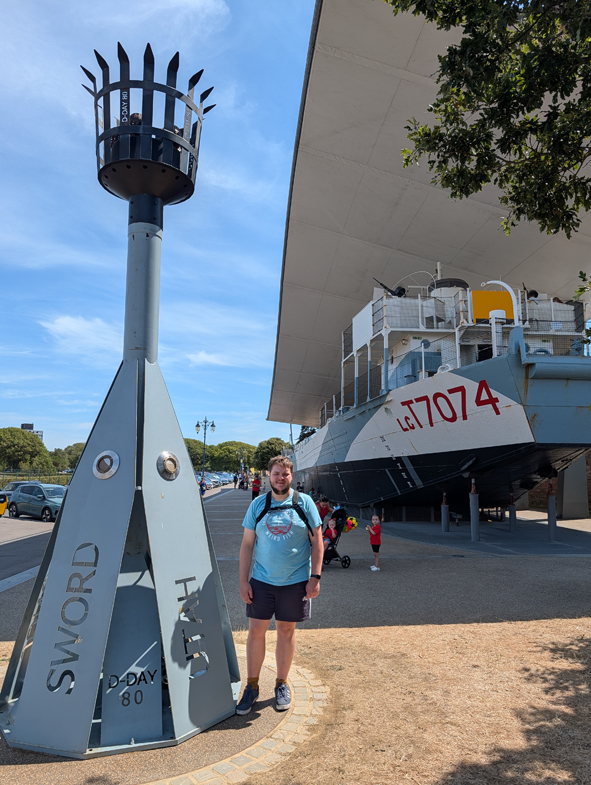
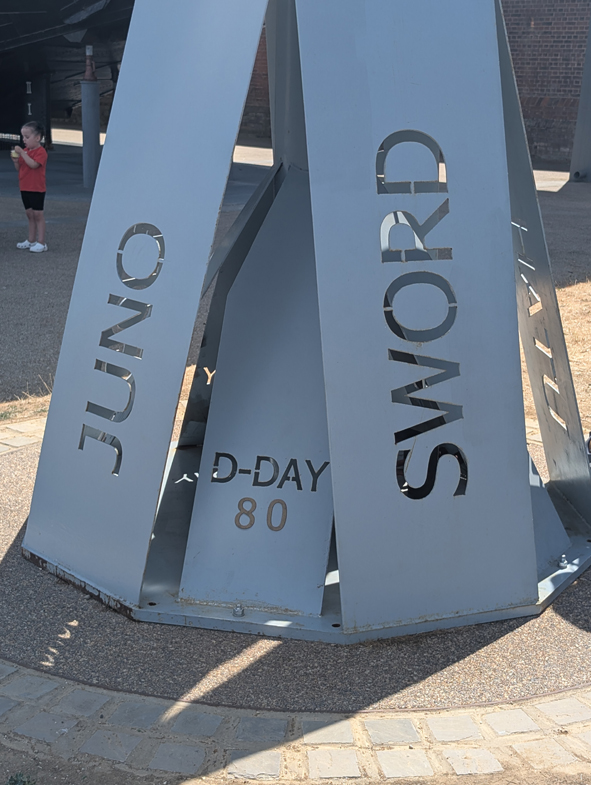
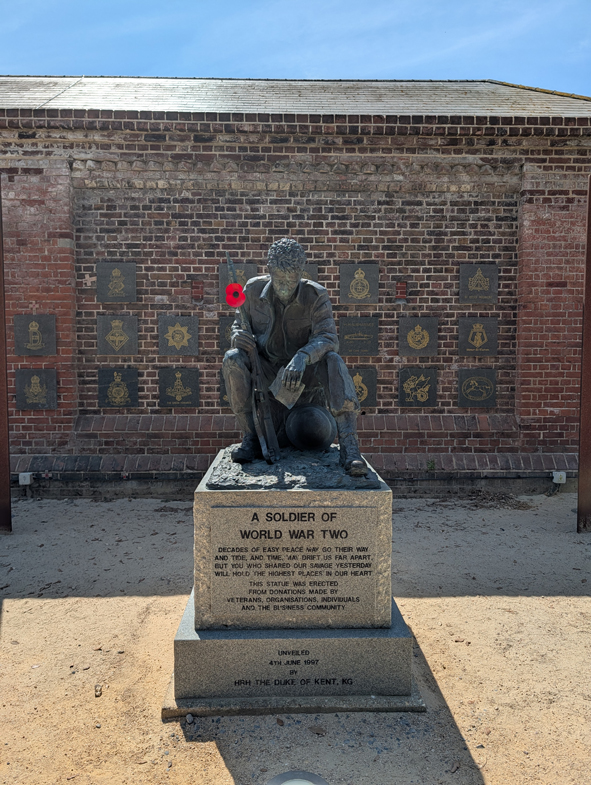
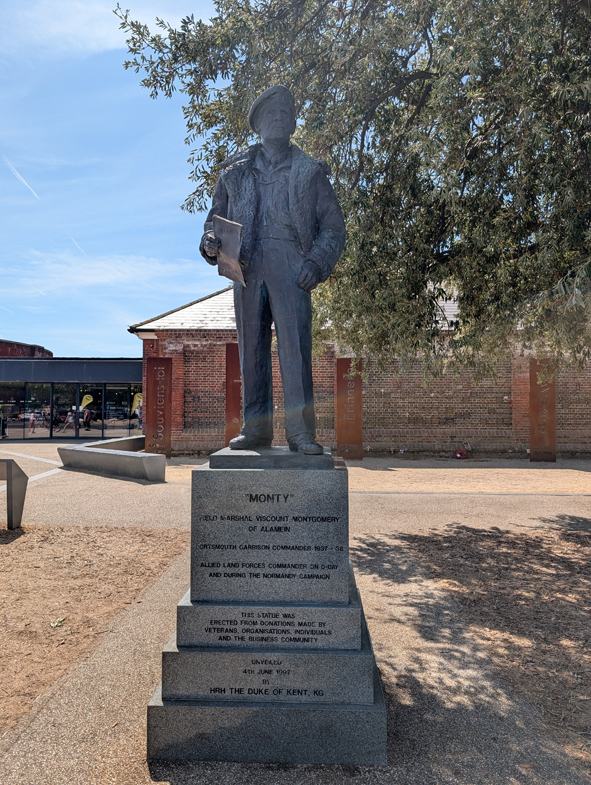
Southsea was incredibly busy today – it turns out there was a music festival taking place on the green. The D-Day car park was full and cars already parking in the coach parking bays. We headed out and discovered they had opened up the overflow car parking on the green and plenty of space here. Just a short walk back to the museum.
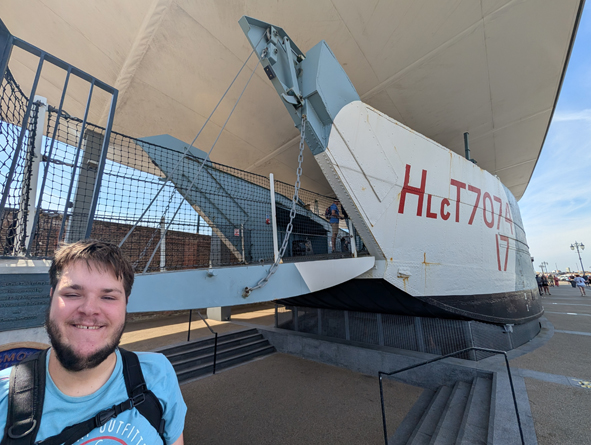
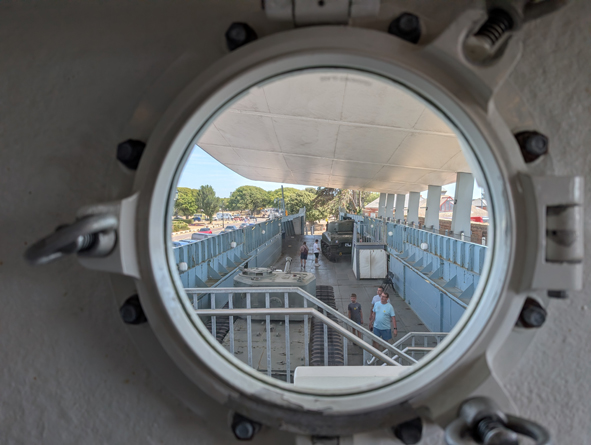
We had to get our tickets validated before we could board the Landing Craft. The ramp was down and two tanks were in position on the landing craft. A Canadian Sherman Grizzy and a British Churchill Tank. For the D-Day landings, each LCT would have held 10 tanks.

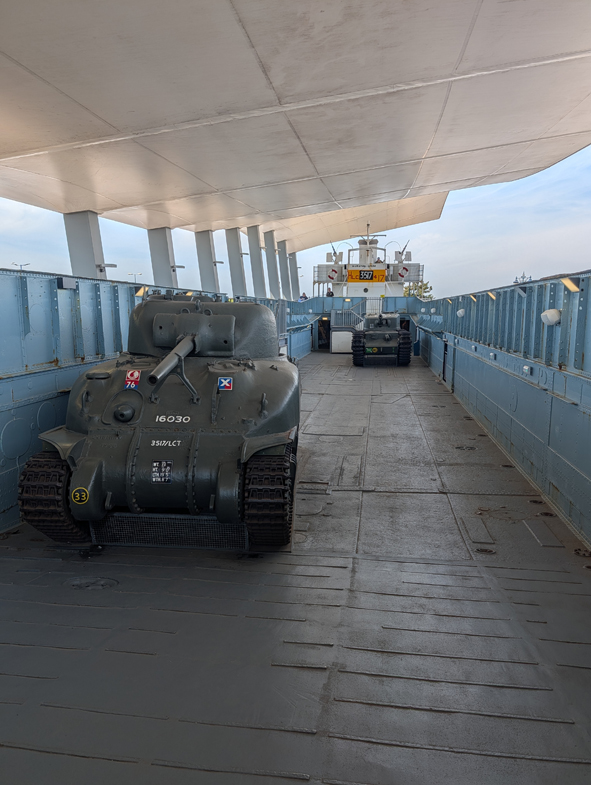
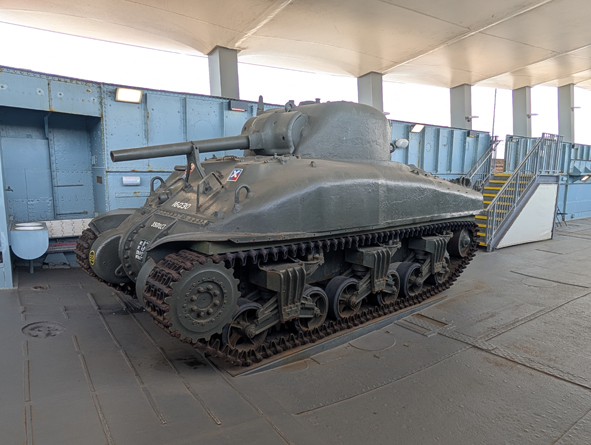
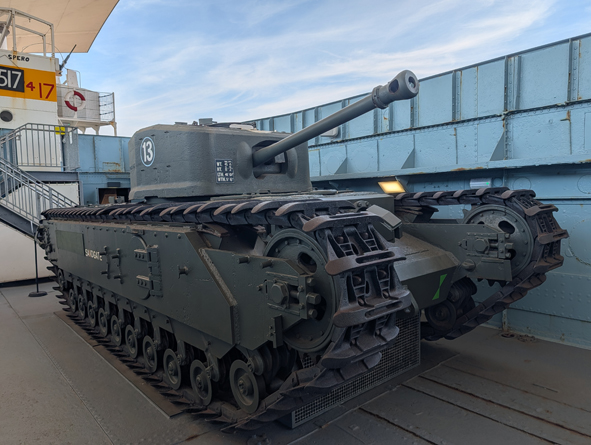
The engine room was at the back of the main deck – these LCTs were flatbottomed and low draught so they could get as close to the beach as possible. The engine had long been removed and now featured a history of this landing craft from being built on the River Tyne – mainly by women – to it’s role in D-Day. This LCT set sail from Folkstone.
The crews quarters were behind the engine room, and hammocks were strung up .
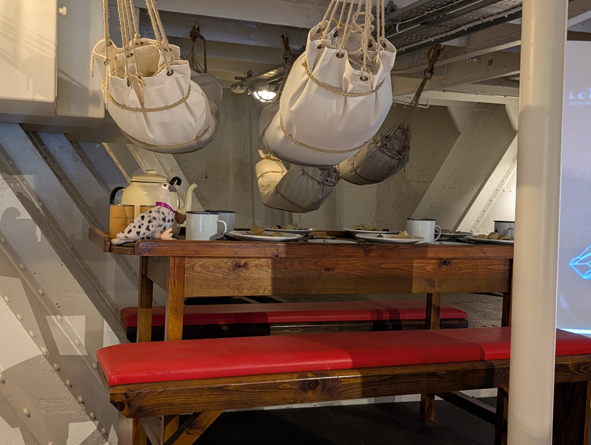
From here, we headed up a flight of stairs to see the wheelhouse – which is where a sailor would steer the LCT. This was the only part of the ship that was reinforced against enemy gun fire. Most of the time, they would be sailing blind as the porthole would be closed but there was a small rectangle cut into the metal structure to one side offering a glimpse of what was ahead.
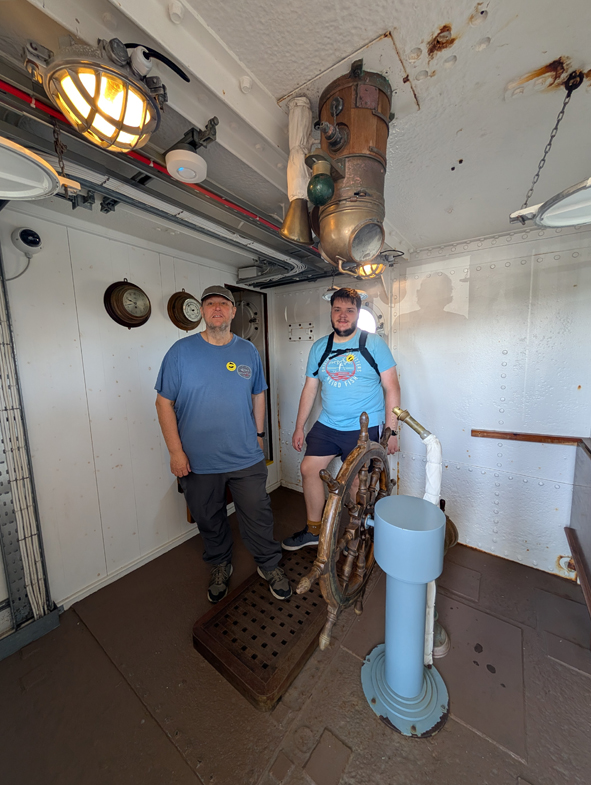
Behind here were the officers’ quarters and tiny kitchen (galley). Not sure we needed to see the recreated filled chamber pot though!
From here, it was up a ladder to the bridge of LCT 7074, where its commanding officer spent long hours on watch. Great views down the landing craft over over Southsea Common – would have been very different landing on Gold Beach. Anyone stood on the watchtower would have been exposed to enemy gunfire.
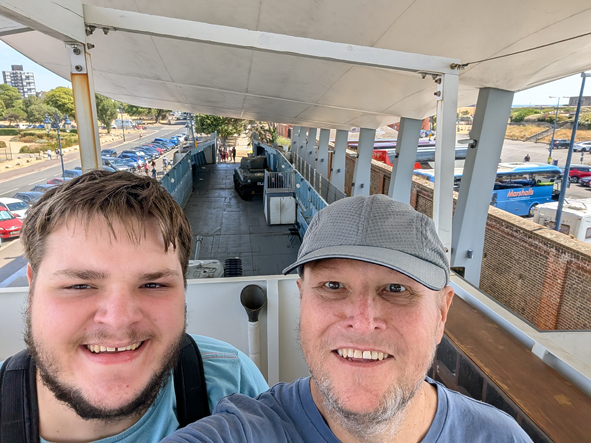
As defences, each landing craft had two guns on the back, primarily anti-craft but were used on German defences on the beach. At the front, two rockets on wires that could bring down low-flying aircraft.
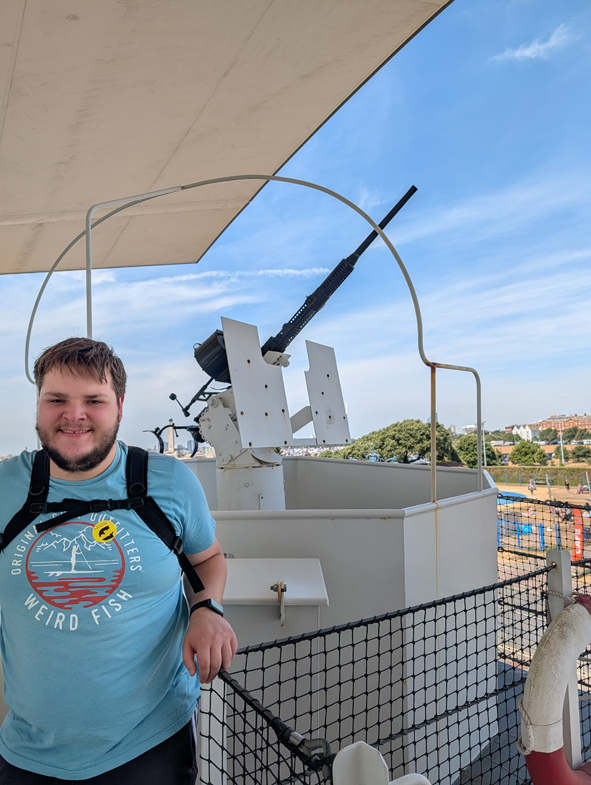
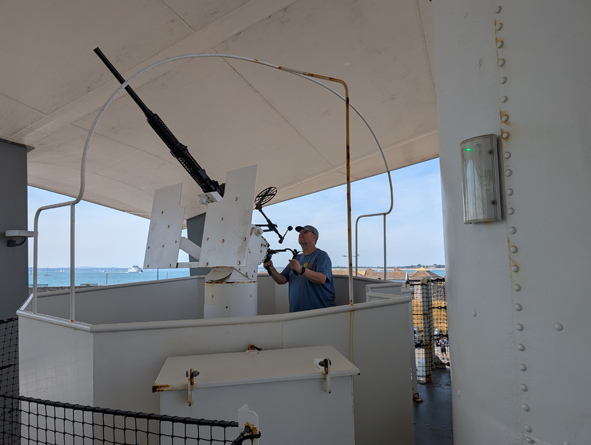
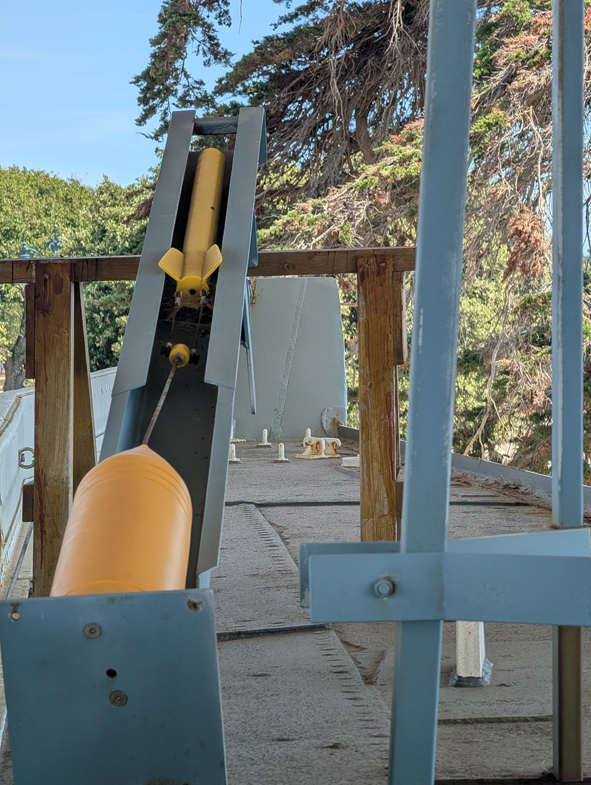
All very interesting and a shame that not more LCT survived.
From the landing craft, we headed into the museum. It’s not large but very well laid out detailing the planning behind D-Day and the people in charge of planning and overseeing the landings.
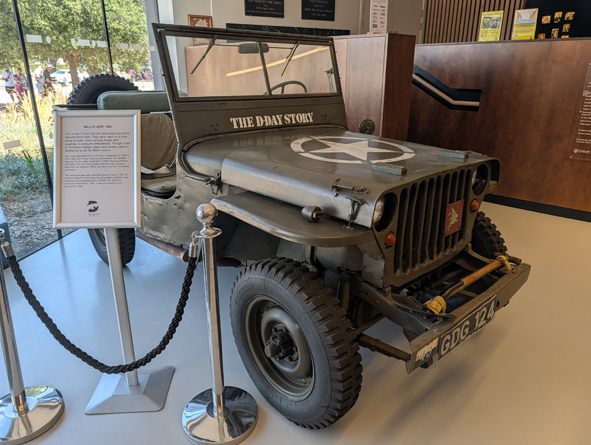
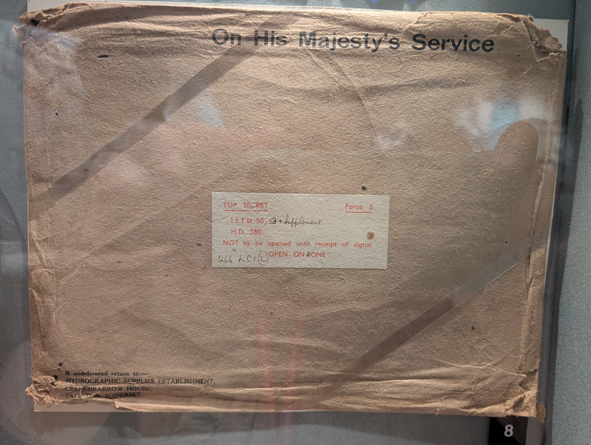
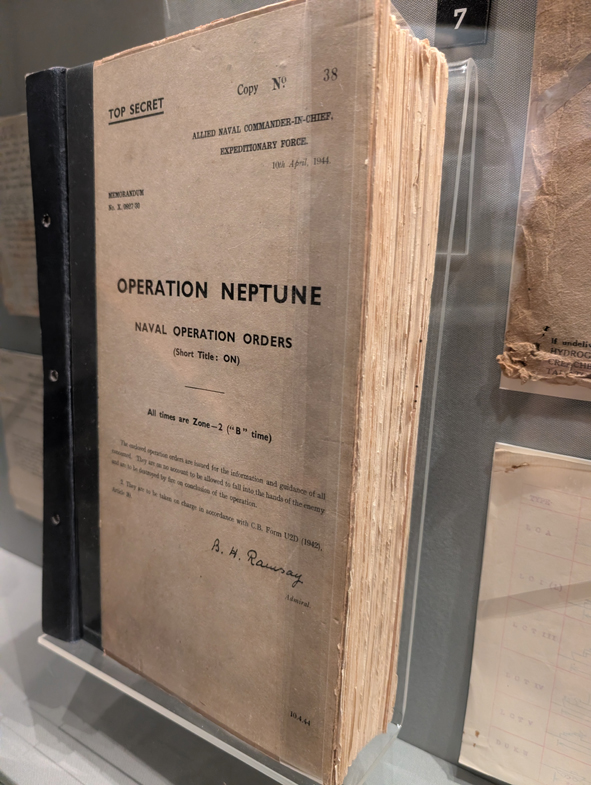
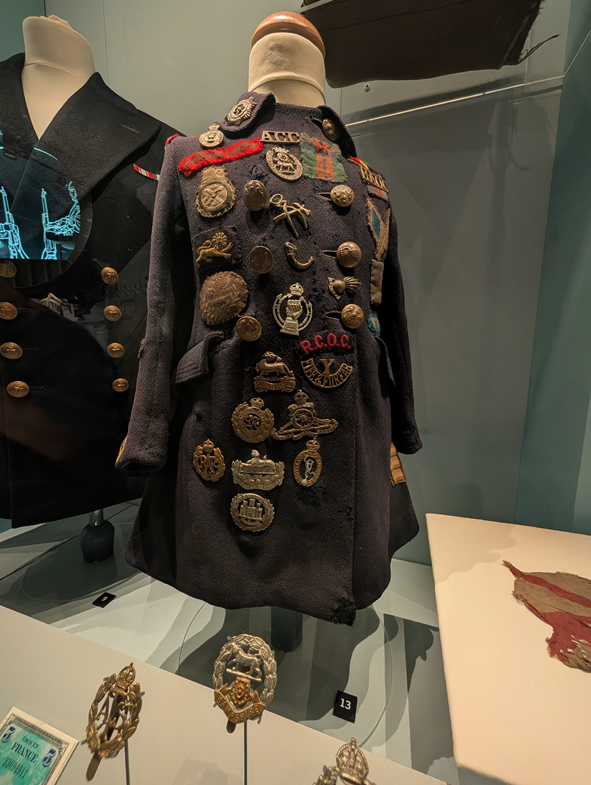
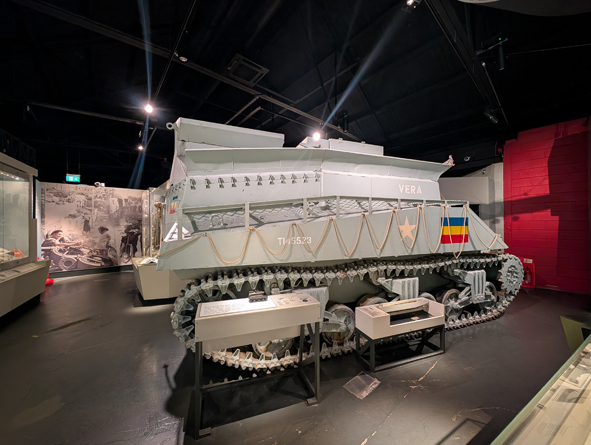
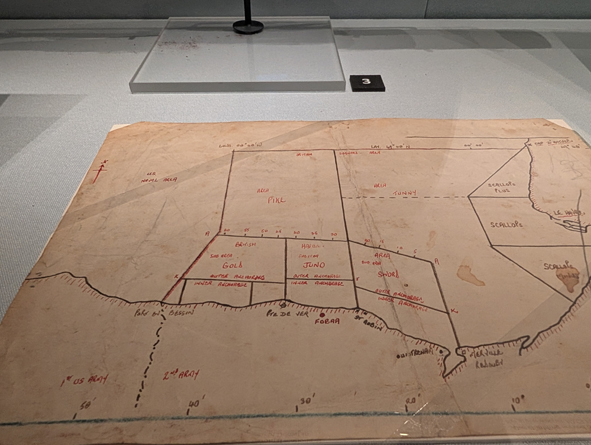
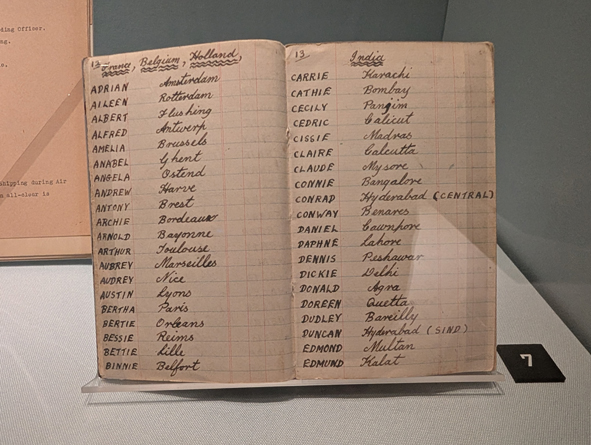
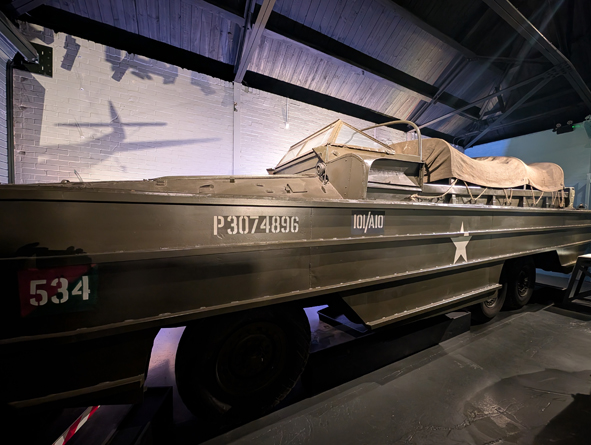
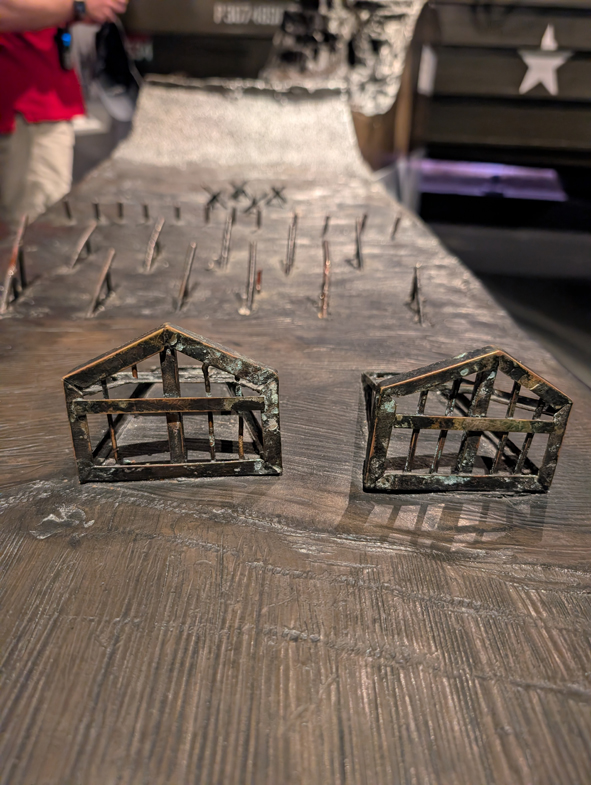
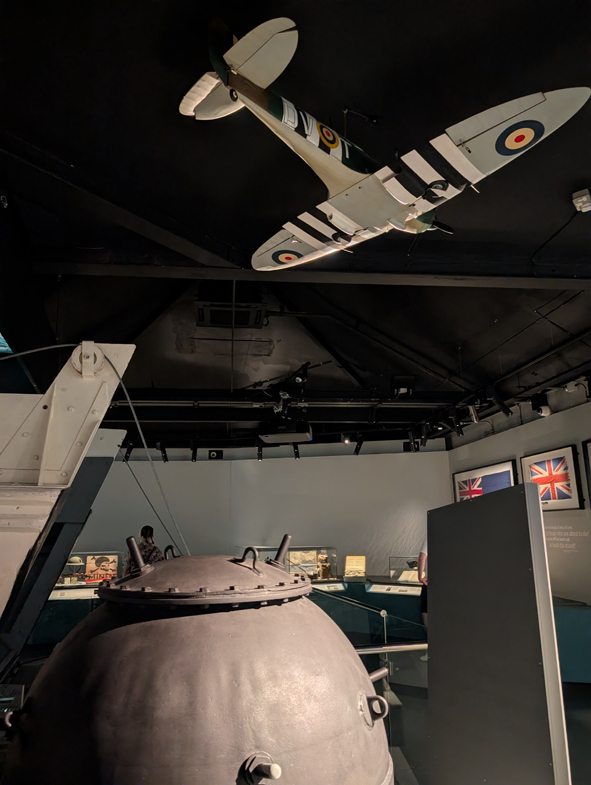
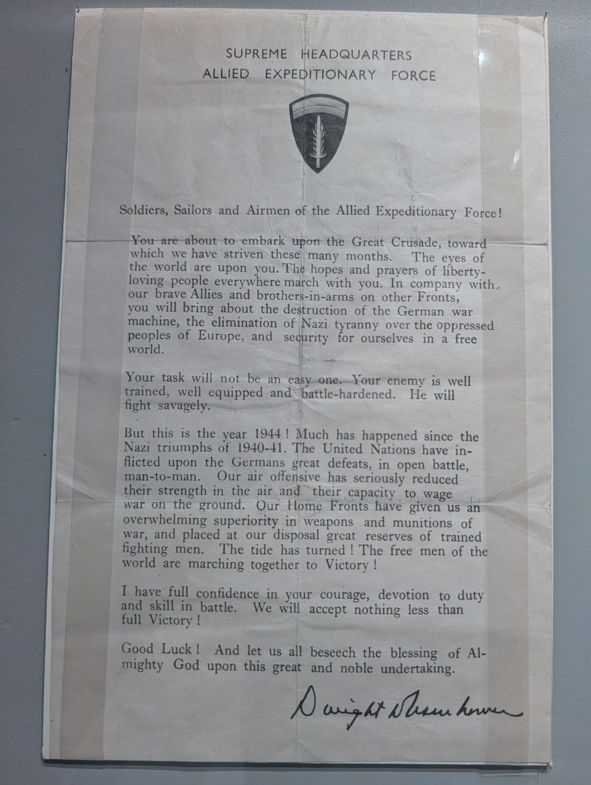
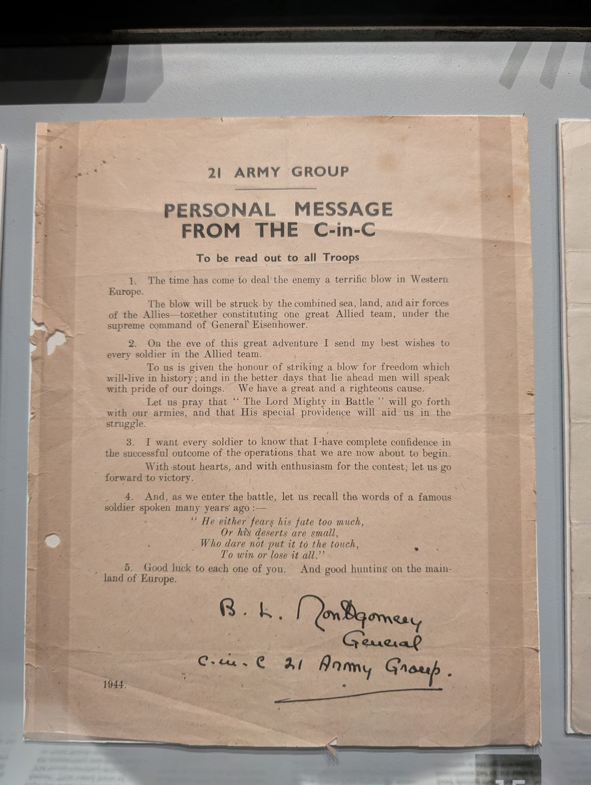
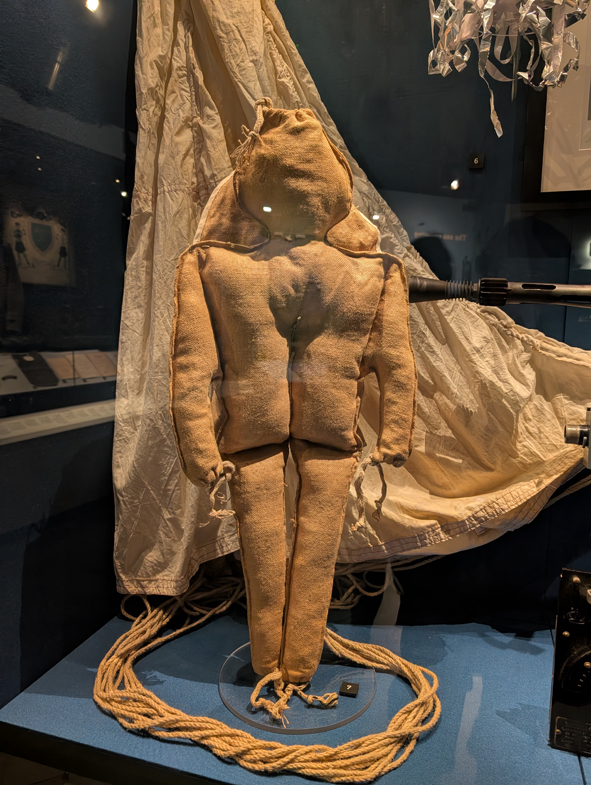
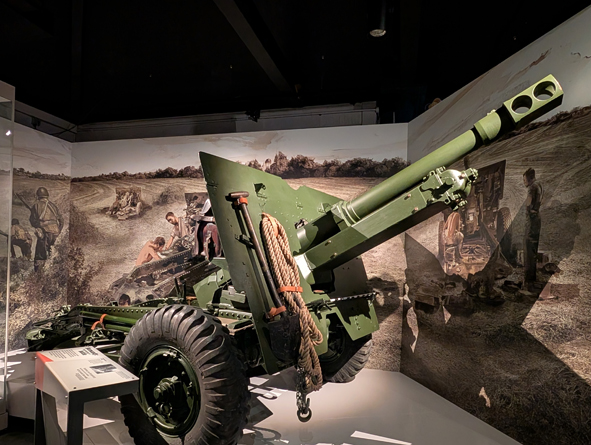
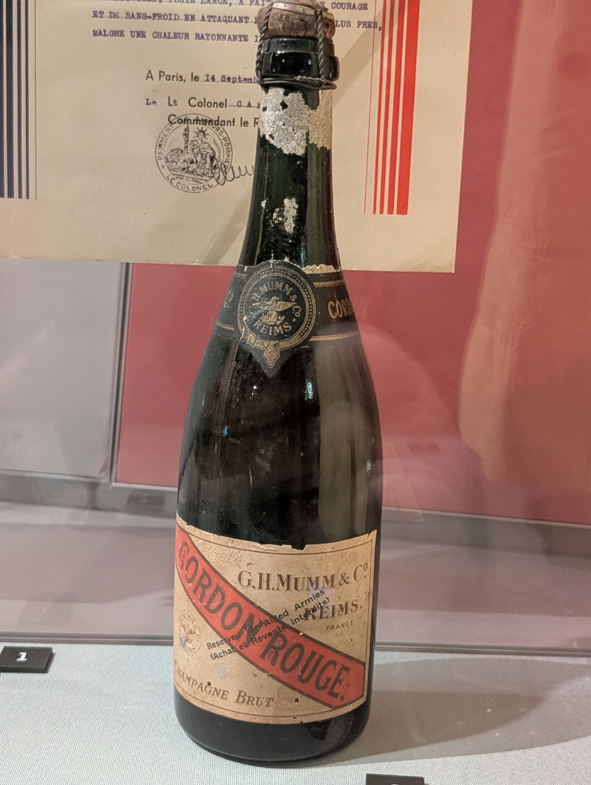
On the other side of the shop, the Operation Overlord Embroidery – well, not so much of an embroidery but applique (material with stitching around the edges. Some detail was fully embroidered. There was no doubting the skill of those involved but it was not on the scale of the Bayeux Tapestry … or the knitted/crocheted version of the Film – The Longest Day. Jon and Callum were dreading the amount of time I would want to spend here … but I think they were pretty relieved in the end.
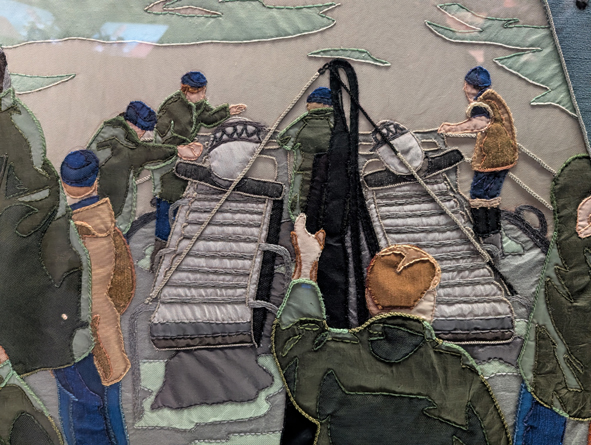
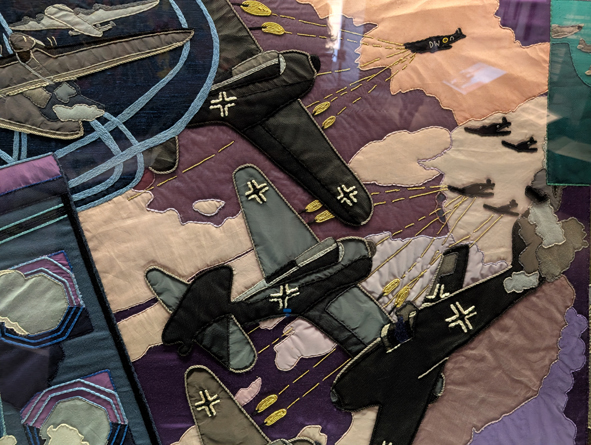
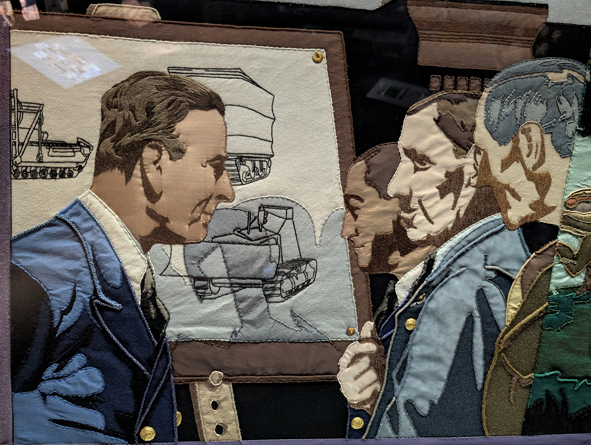
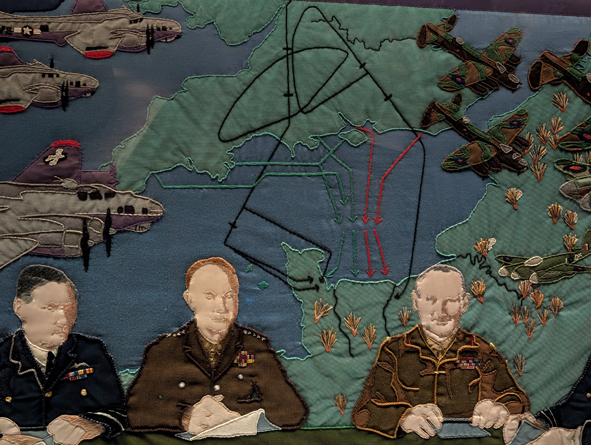
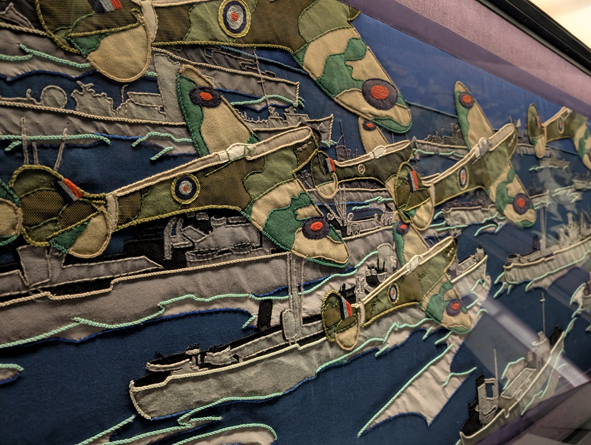
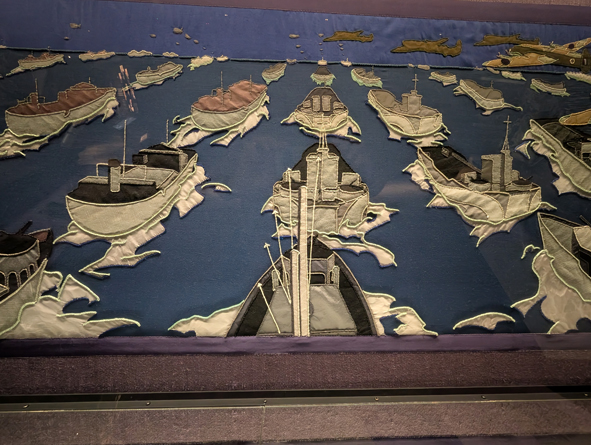
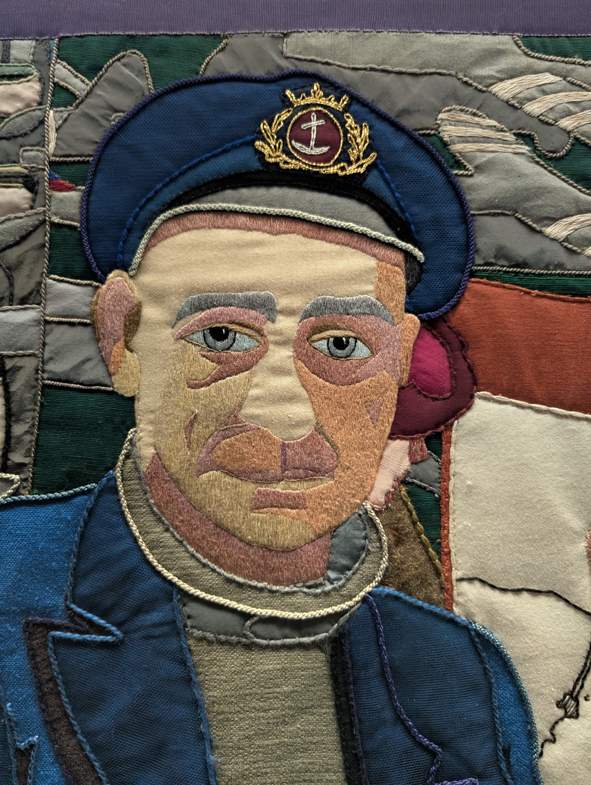
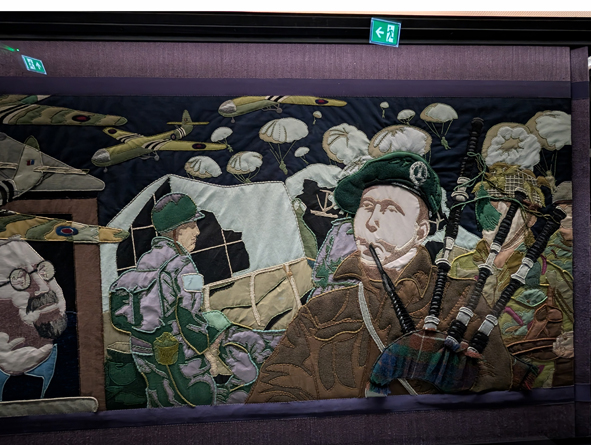
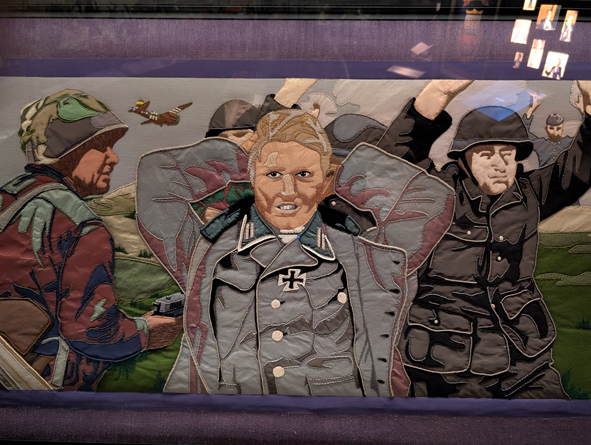
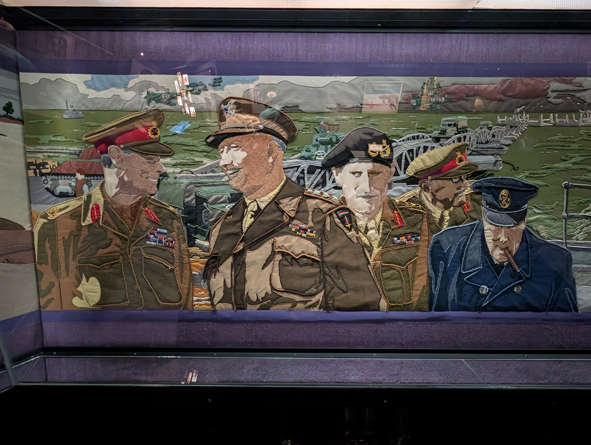
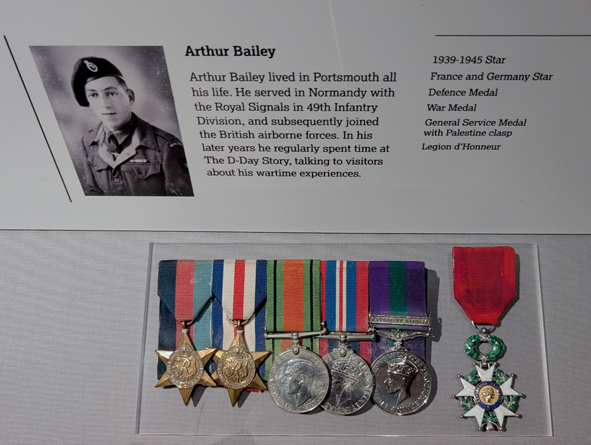
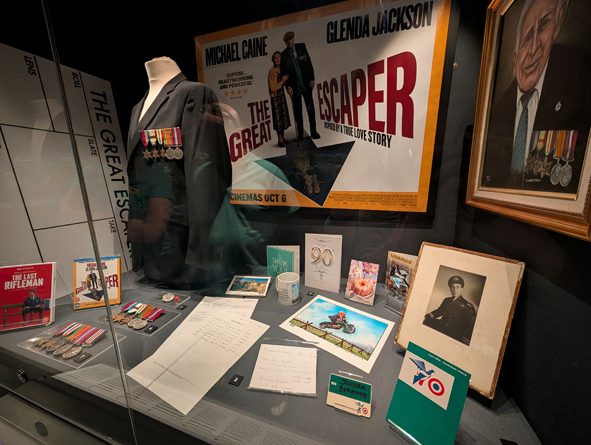
There were a couple of other exhibits in with the tapestry that were really interesting. Arthur Bailey’s medals were on display which included the French Legion D’Honneur medal. There was also a display dedicated to The Great Escaper – the film about Navy Veteran, Bernard Jordan, who “broke” out of his nursing home to travel to France to pay his respects at the 70th Anniversary of the D-Day landings. The film starred Michael Caine and Glenda Jackson. It was on TV not long back and I watched most of it – it was really good (want to watch again as I missed the start!)
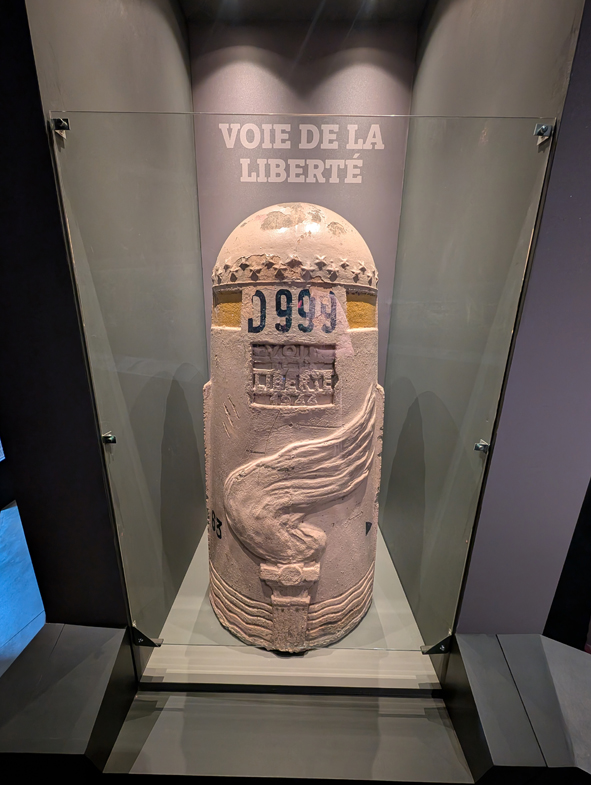
One of the La voie de la Liberté markers – after D-Day, these markers are placed 1km apart to denote the route taken by allied forces to liberate France.
Starting at Utah Beach in Normandy and ending at Bastogne in Belgium, the Liberty Road goes through the cities of Saint Malo, Rennes, Angers, Le Mans, Chartres, Fontainebleau, Reims, Verdun and Metz, and then through the Grand Duchy of Luxembourg. Altogether the Monument consists of 1146 bornes or markers.
We spent about 3 hours in the museum (including a drinks break!) and we left it to Callum to work out where to eat. It was a 6 minute walk away to where all the eating places were located. The city had blocked the street off to cars so was fully pedestrianised. We wandered down the street – an Indian, a Burger place, a couple of pubs but in the end we ended up at Farm Kitchen – a turkish/mediterranean restaurants.
We had a selection of starters – Sheek Kebab, Halloumi and Borek (feta cheese in filo pastry). For the mains, Callum had Lamb and Chicken Shish, I had Lamb Shish and Jon the Beef Steak on a bed of chips.
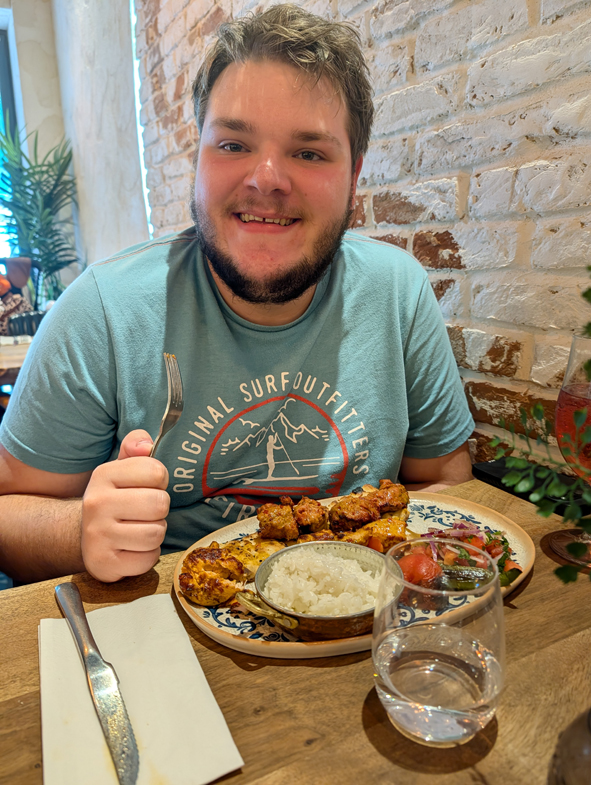
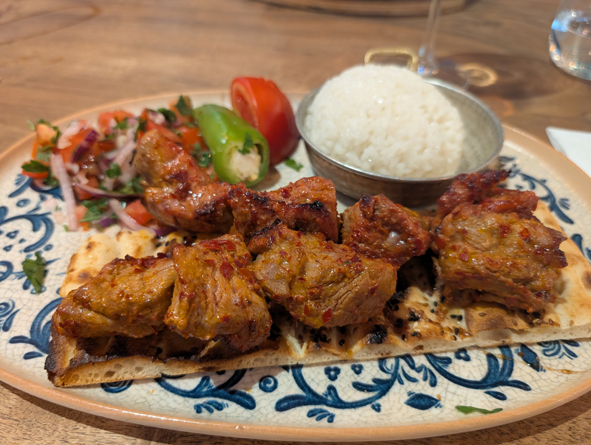
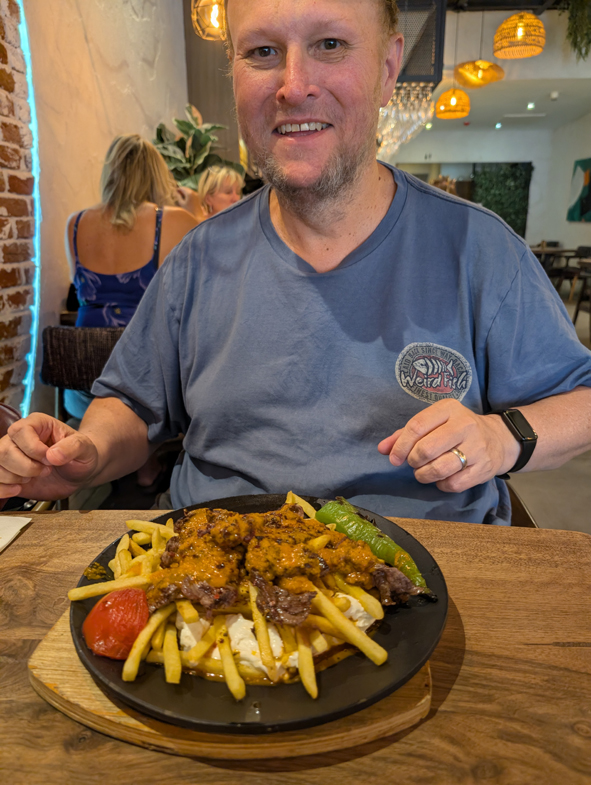
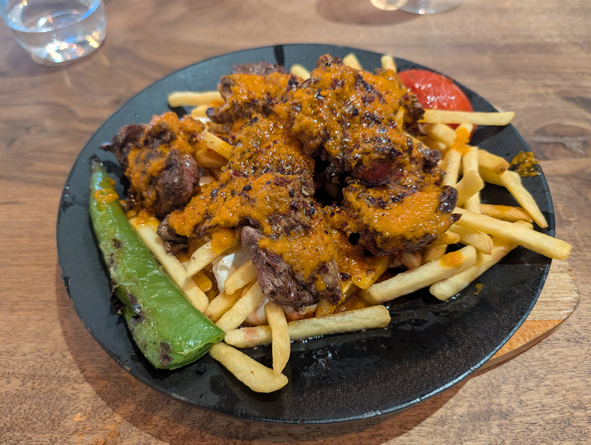
All really good – and no room left for a pudding!
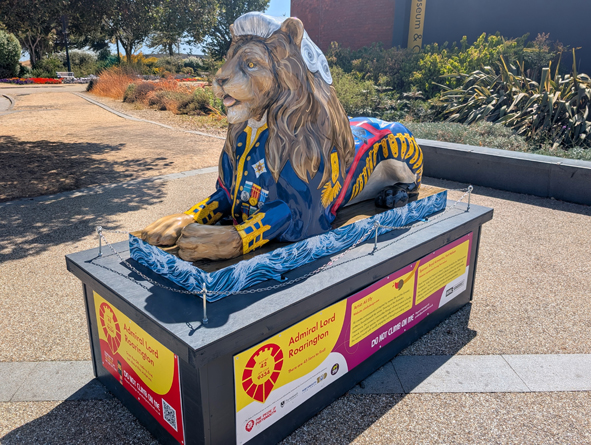
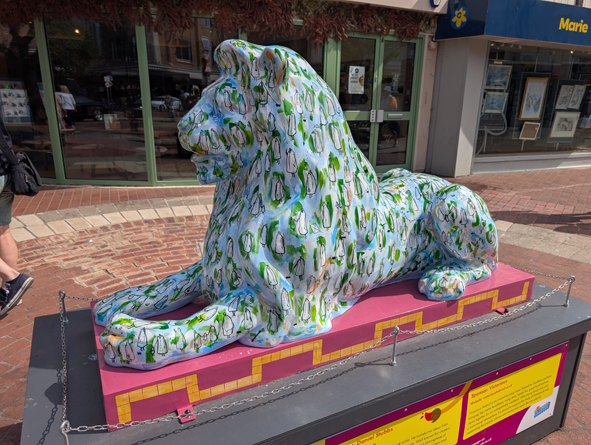
We didn’t realise before we arrived in Southampton that the art installation, Pride of Portsmouth, was on display all around Portsmouth and Southsea. We spotted two Lions whilst we were here; one outside the D-Day Story and the other more or less outside the restaurant. Alas, I don’t think we’ll have enough time to go back and spot them all!