 0
0
 0
0
When Jon was looking at what there was to do in the area, he discovered there was a Nuclear Bunker you could visit by Broadway Tower. This was the one thing Jon really wanted to do so we left it to him to organise tickets. It was only open at the weekend and on the Monday & Wednesday.
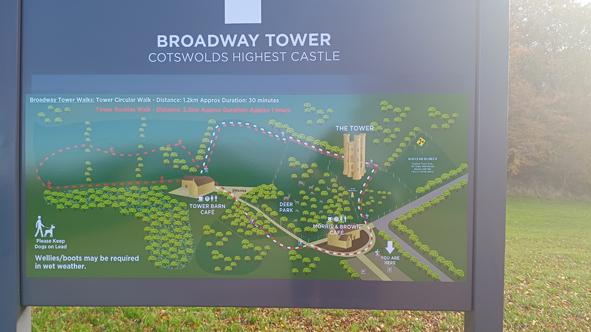
Broadway Tower was on our list of places to visit so Callum and I were happy to go along and didn’t give it another thought.
Jon booked us in for the first slot to visit the bunker but before we headed across, we had breakfast in the coffee shop on site. It was very breezy at the top of the hill and we were thinking we should have brought along some gloves and hats!
Jon just happened to comment as we were walking across the field to the hut about climbing down ladders. We both looked at him puzzled as we hadn’t correlated that in order to get into the nuclear bunker we would have to climb down a ladder.
Before we disappeared down the bunker, there was a small museum with exhibits relating to the bunker, the Observer Corp and information to prepare you for a nuclear war.

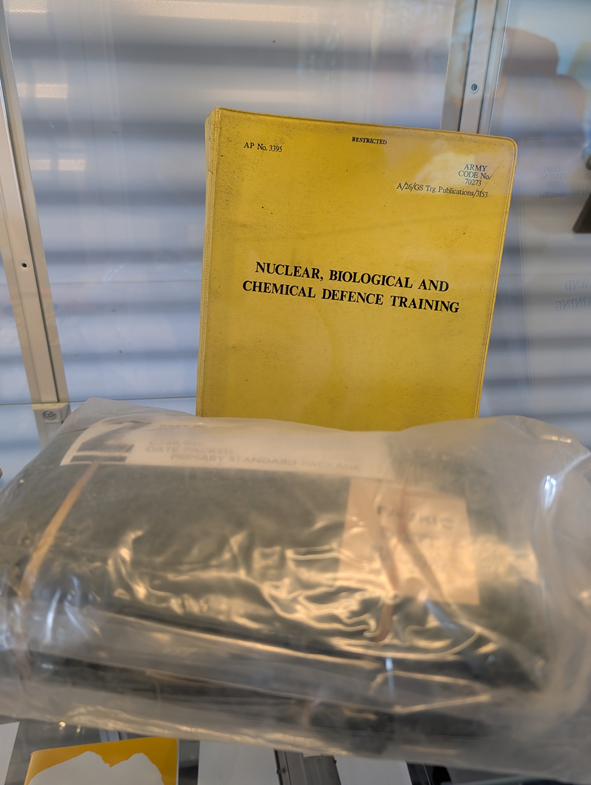
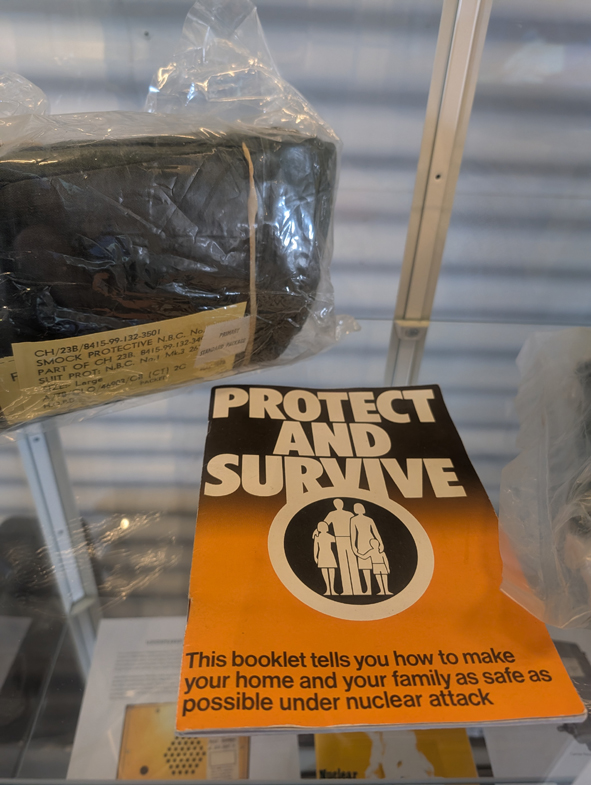
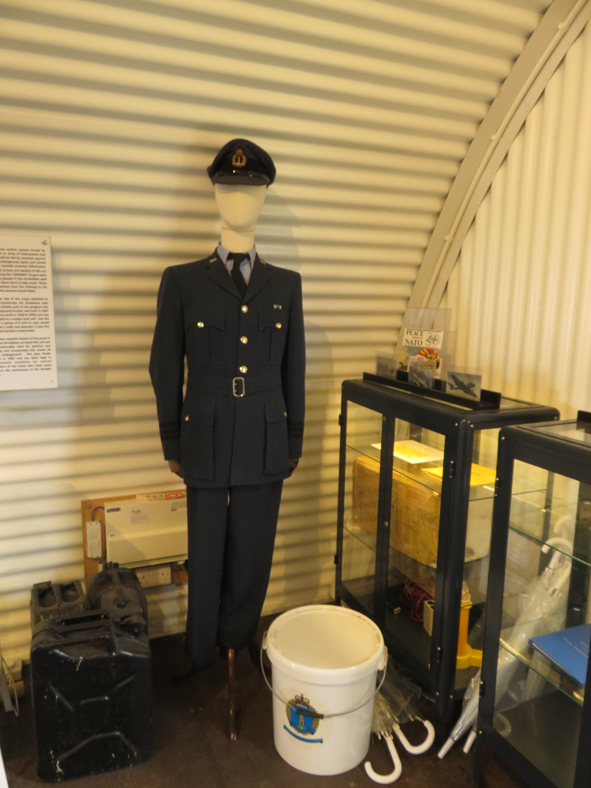
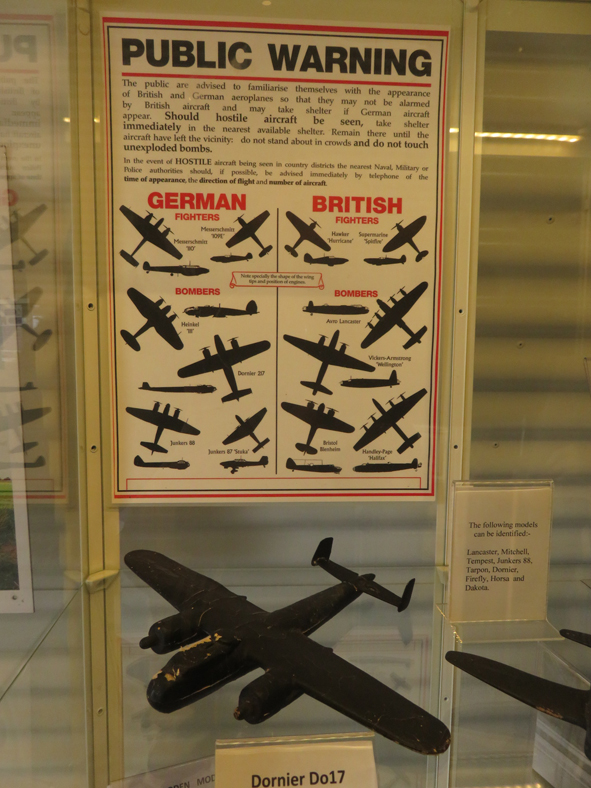
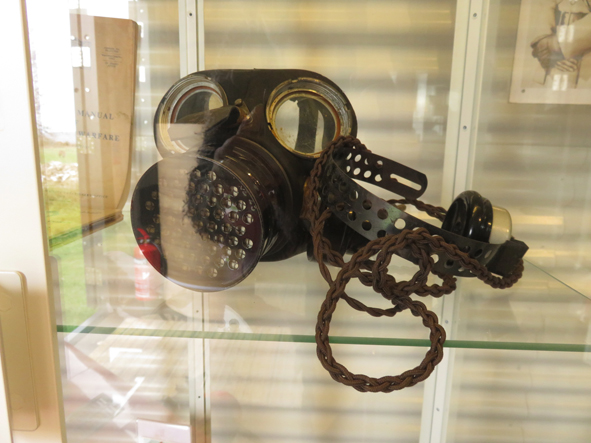
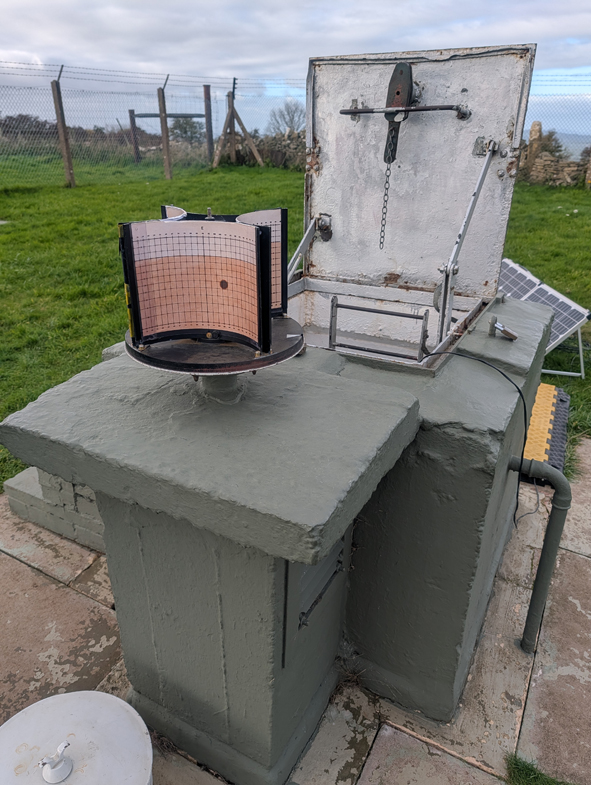
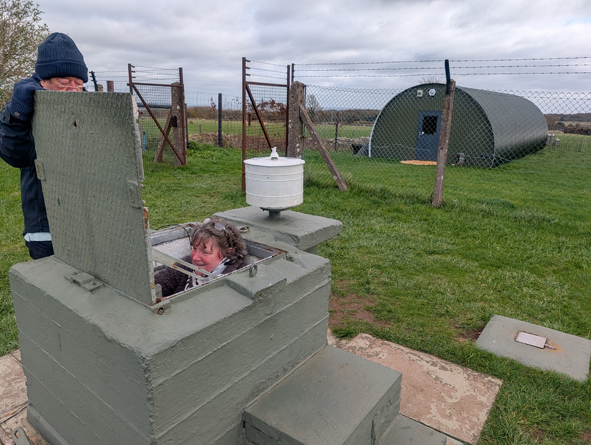
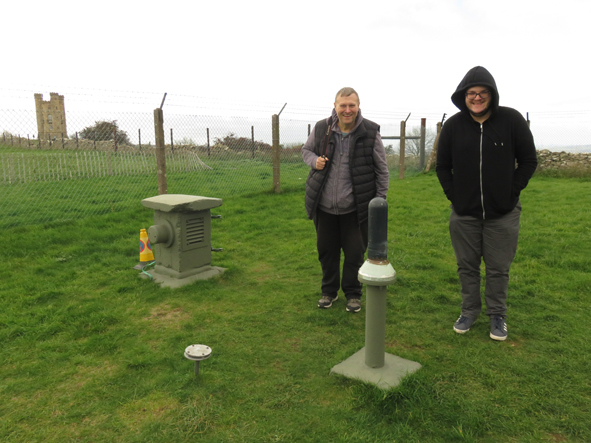
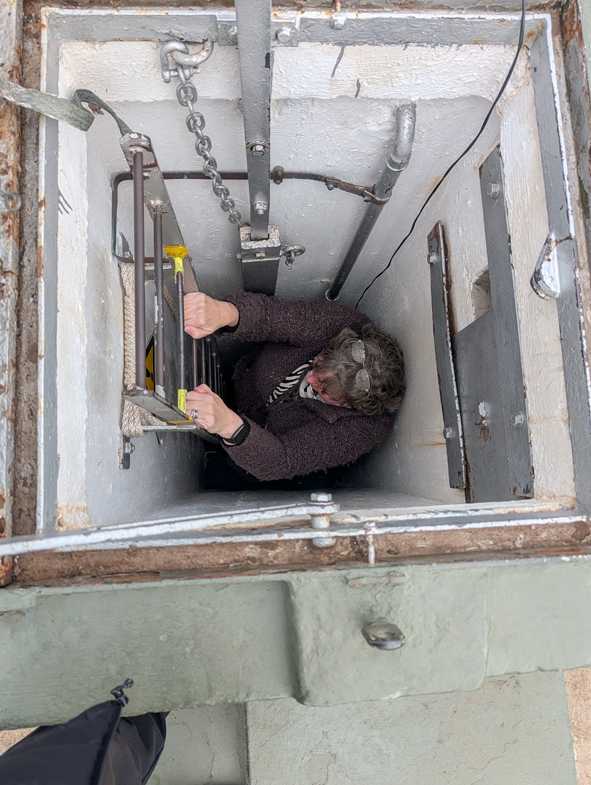
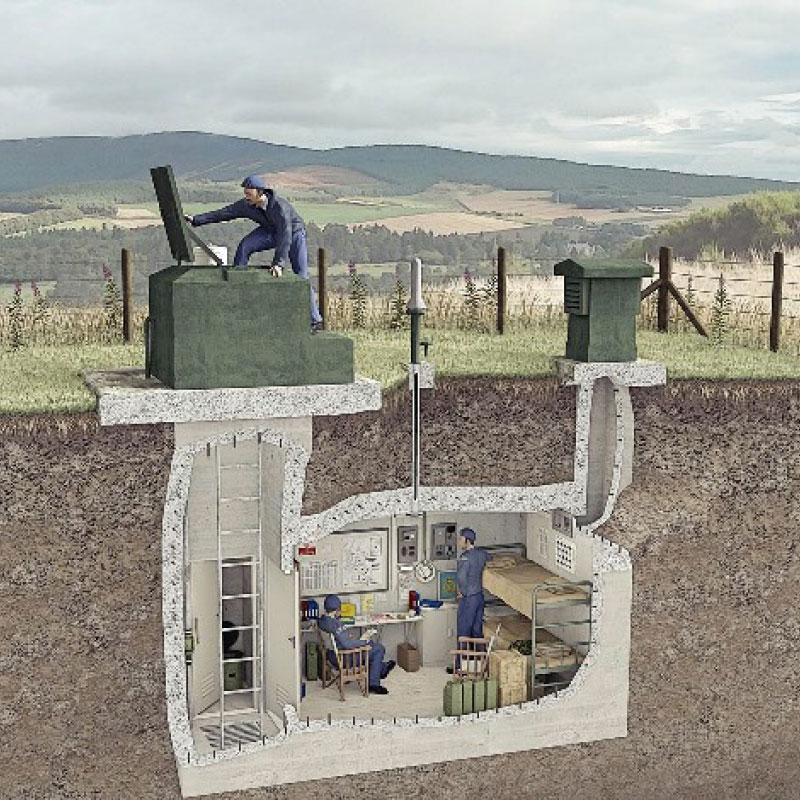
The nuclear bunker is 15 feet below ground and located a short distance away from Broadway Tower and a relic of the Cold War. This former monitoring bunker was once part of a wider network of similar structures all over the United Kingdom, built to study and report the effects of nuclear explosions and the resulting radioactive fallout.
It was operational in 1960 when tensions were building up in the Cold War and one of a network of around 1,563 built across the UK. At this end of the Cold War, this bunker was decommissioned in 1991 and only a handful remain as museums today. Most were concreted in. This was a monitoring station that could report back in the case of a nuclear strike. Volunteers from the Royal Observer Corps manned the station until they were stood down in 1991. Their activities at the time were subject to the Official Secrets Act. In the event of a nuclear strike, members would be expected to spend three weeks underground.
Our guide was incredibly knowledgeable, explaining the different monitoring equipment used on site. There were six of us in our group – a good number to go down into the bunker as space was limited down below. At the weekend, they had a group of 10 go down and it was decidedly cramped.
Once underground, the was very little space. At one end was a bunk bed, the space underneath the bed was used to store boxes of food rations – one box per day. There were six different menu options available!! The main focus was the desk with all the monitoring equipment. A beep sounded at regular intervals to indicate all was well above ground. The guide played the sounds of what would be sounded if an attack was incoming and once the all-clear was given.
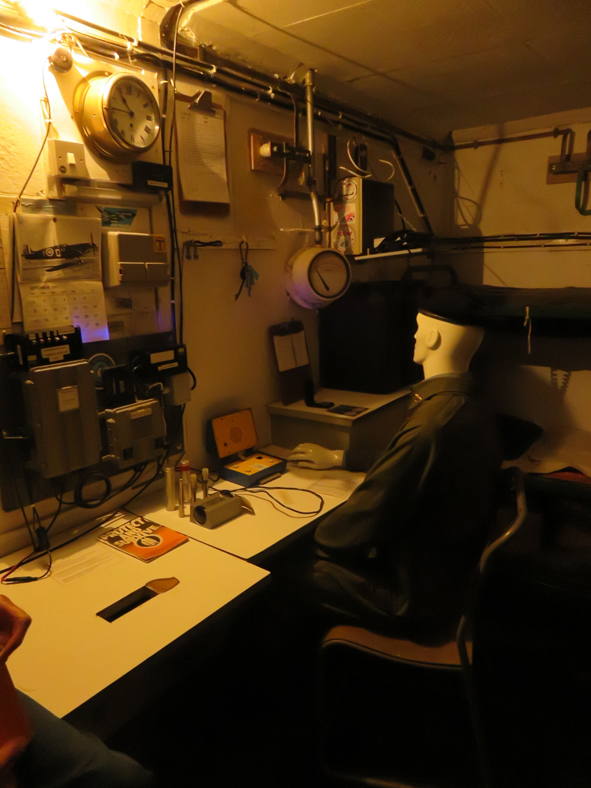
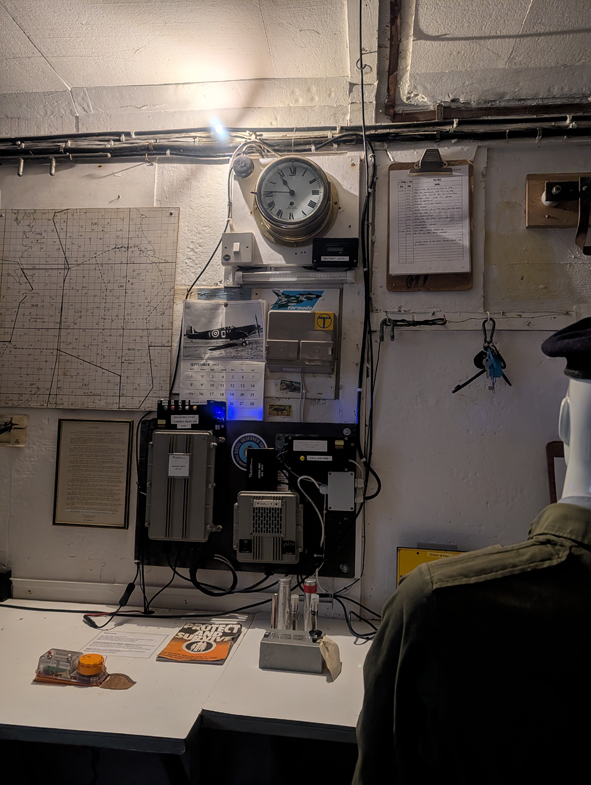
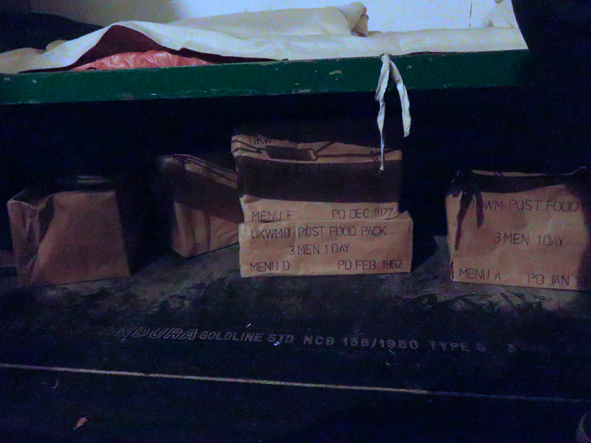
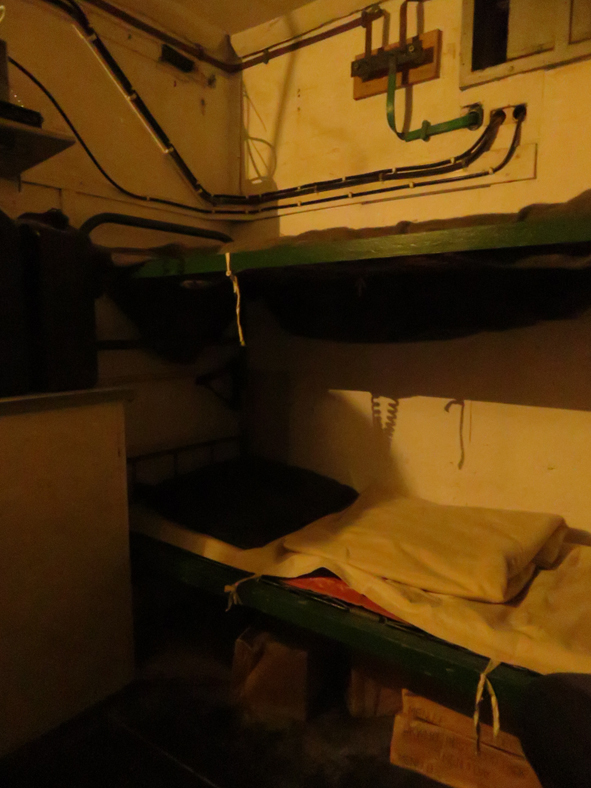
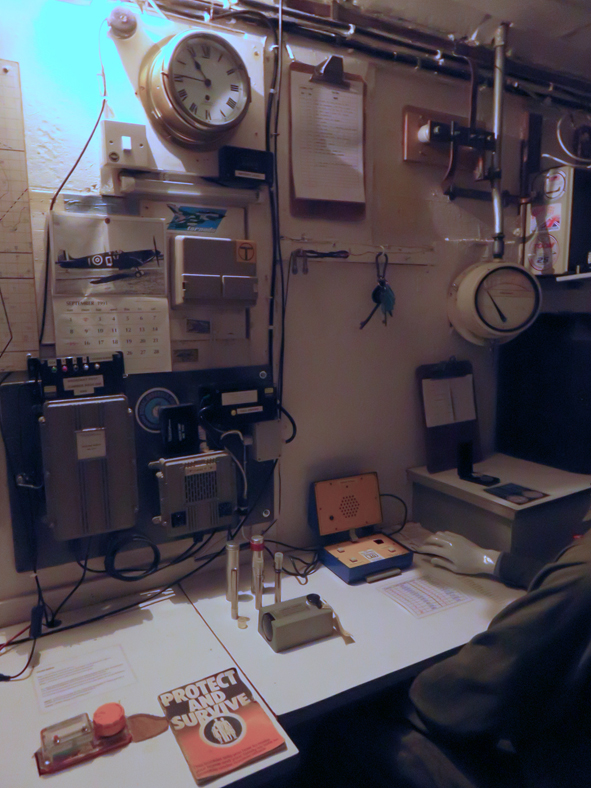
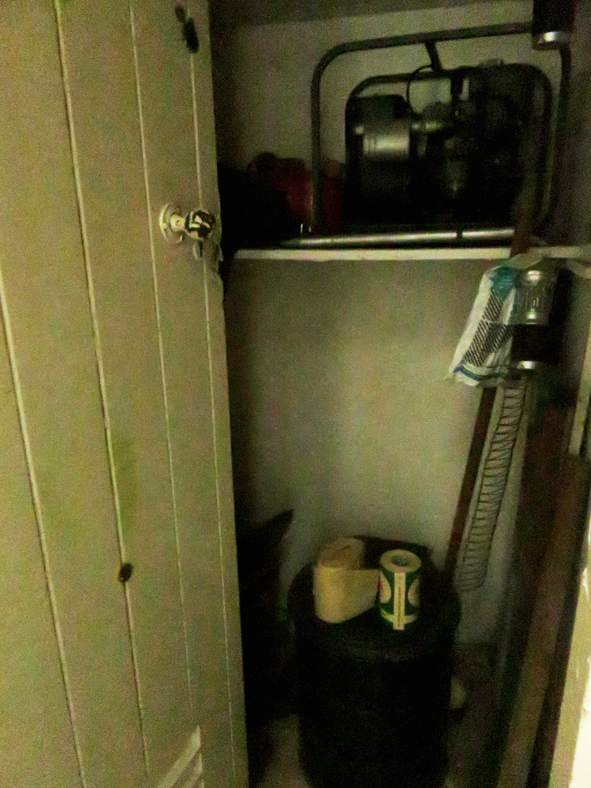
With Jon’s Grandad being in the Observer Corp in Yorkshire during WW2, it would be interesting to know if he was involved in manning a nuclear bunker in and around the Loftus area.
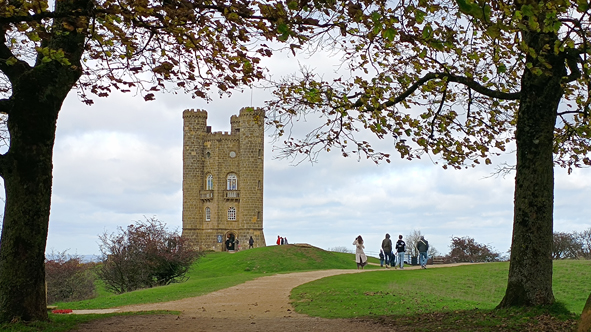
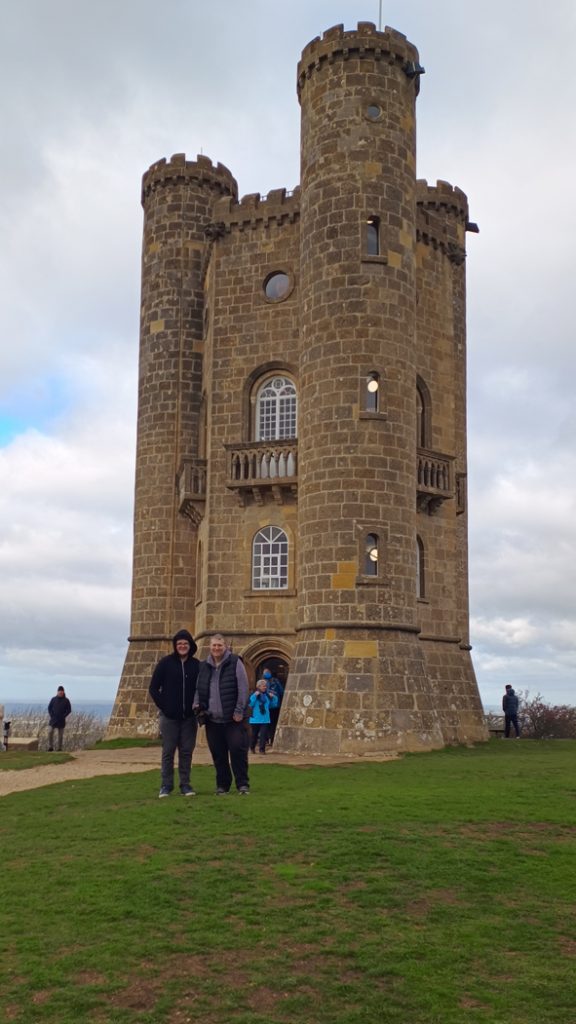
After we’d clambered back up the ladder, we headed across to the Tower. The wind was really picking up and we were surprised the Top of the Tower was still open.
It’s a nice gentle climb up the tower. It was built as a folly and rooms on three levels. A short climb and you could view the different floors, each offering a glimpse into Georgian life. We were surprised to learn that the Tower was the brainchild of Capability Brown – the 18th Century landscape designer. It was designed for George William 6th Earl of Coventry with the help of renowned architect James Wyatt and completed in 1798. James Wyatt vision was for a “Saxon Tower” and combined various architectural components ranging from turrets, battlements and gargoyles to balconies.
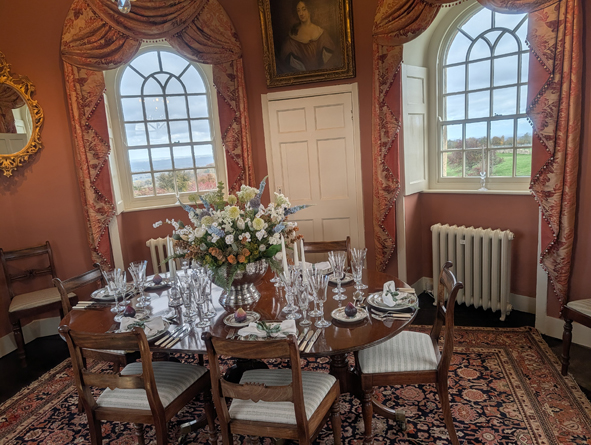
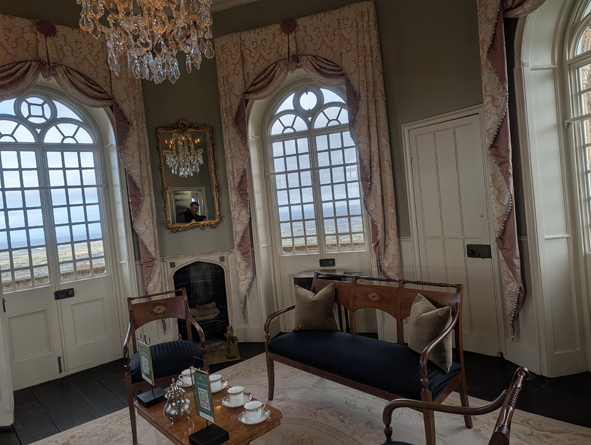
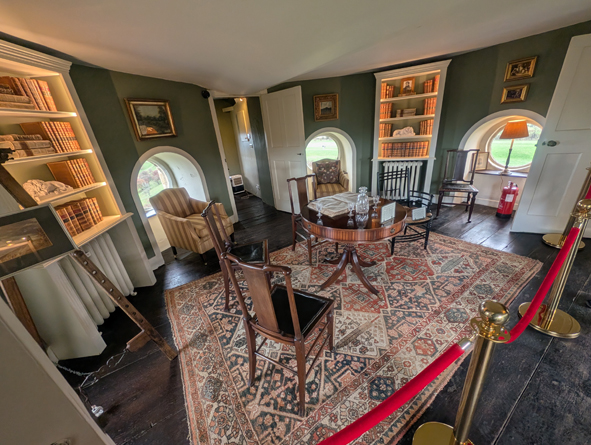
You can see the tower perched on the hill from across this area of the Cotswolds. They claim you can see 14 counties from the top of the tower. Not sure we quite believe that as they claim you can see Berkshire and Buckinghamshire!
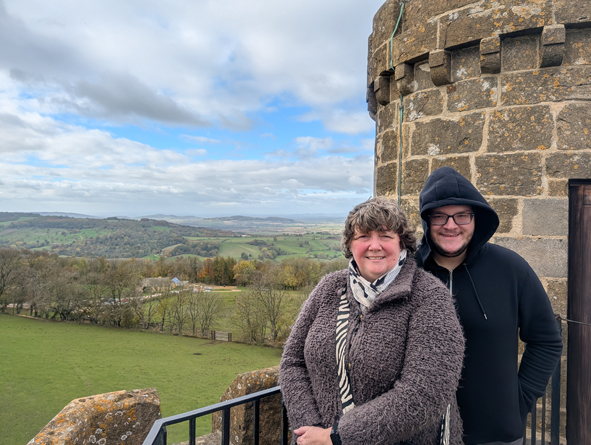
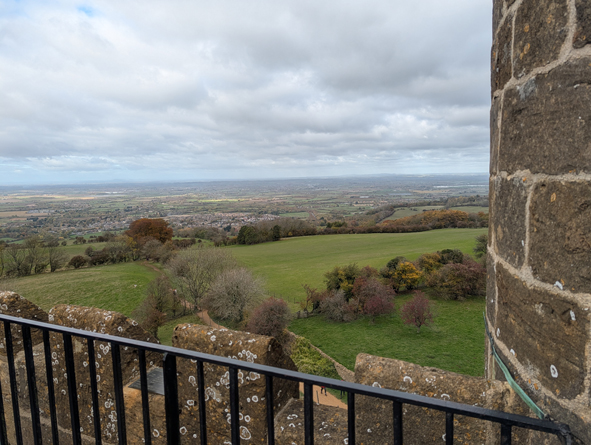
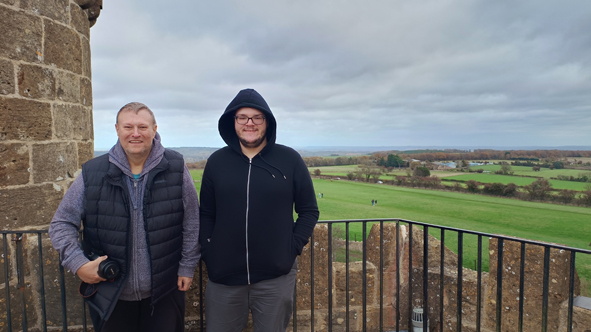
It was incredibly windy from the top of the tower – you had to hang onto your cameras and phones at the top as it was really trying to whip these out of your hands.
After Broadway Tower, we decided to head to Snowshill Manor, a National Trust property close by.
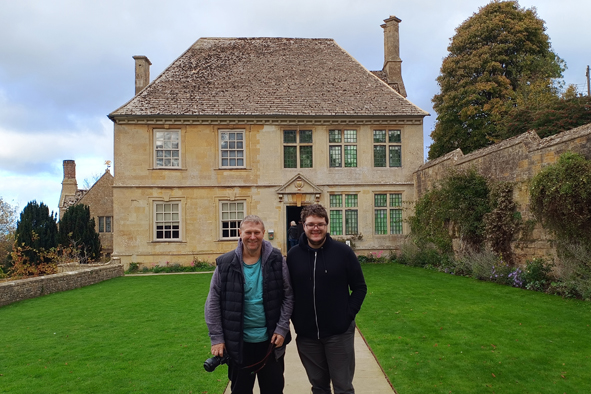
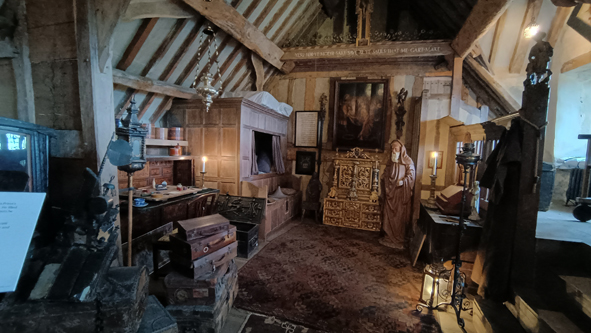
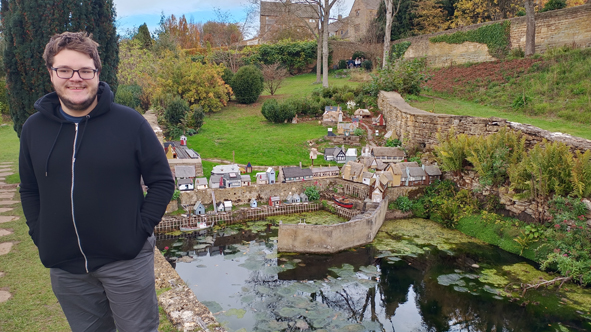
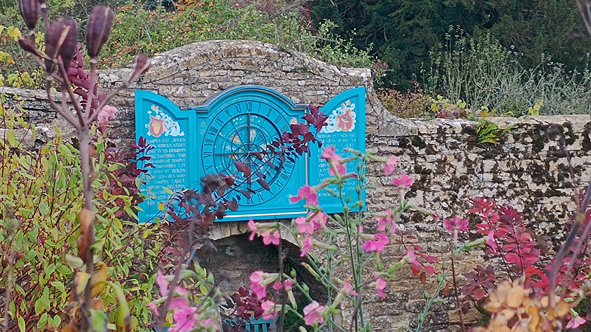
This was the unconventional property belonging to the eccentric Charles Wade. He bought Snowshill Manor to display his collection of clocks and other items – and host parties! Meanwhile, he lived next door in a small cottage. Safe to say this house was far from your usual National Trust Historic House!!
The manor has been largely kept as Charles Wade kept the place. Different rooms for different collections and loads of clocks (none of which showed the right time!). One room included his collection of Samurai armour/costumes. Another room in the attic was just filled with bikes from over the years.
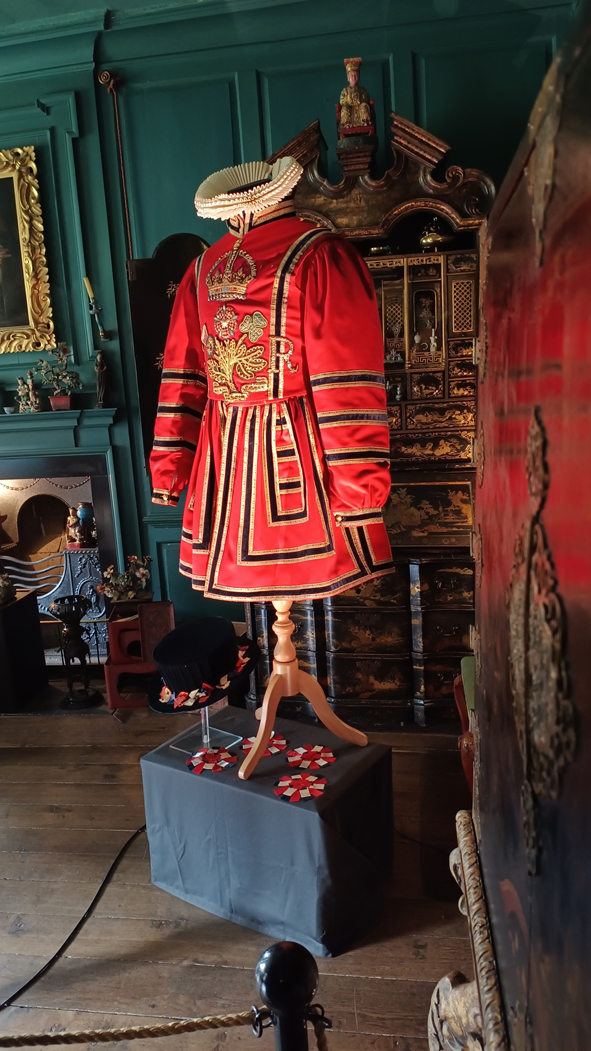
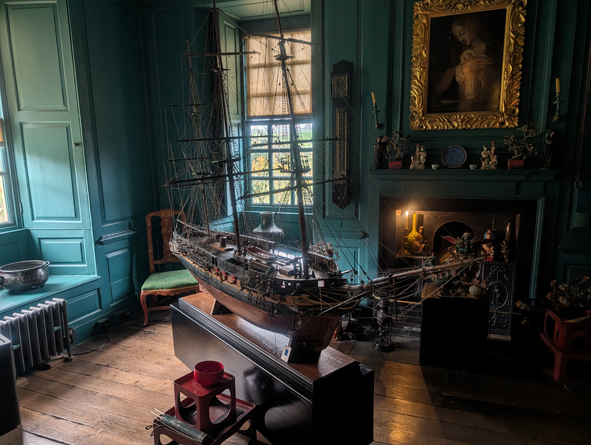
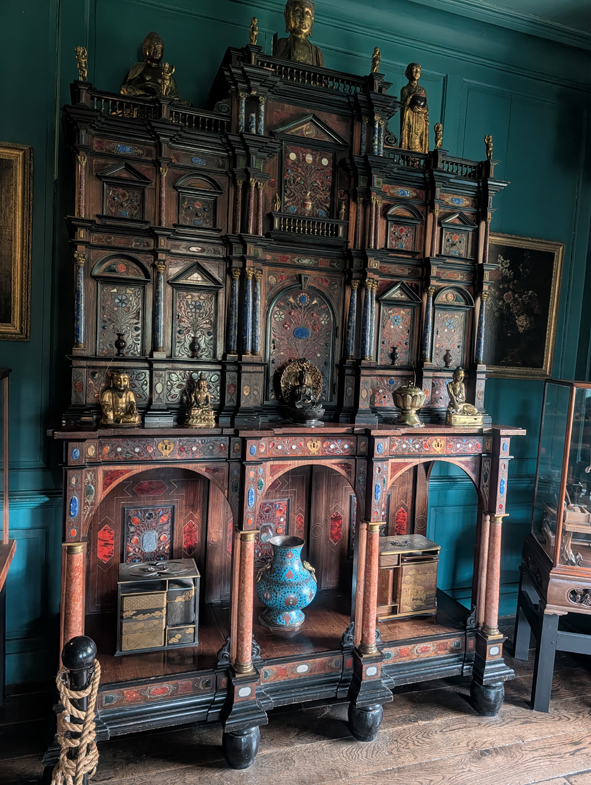
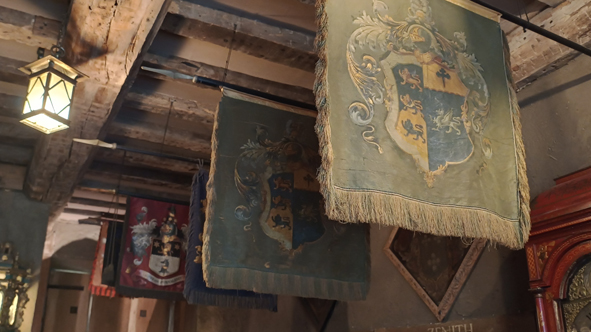
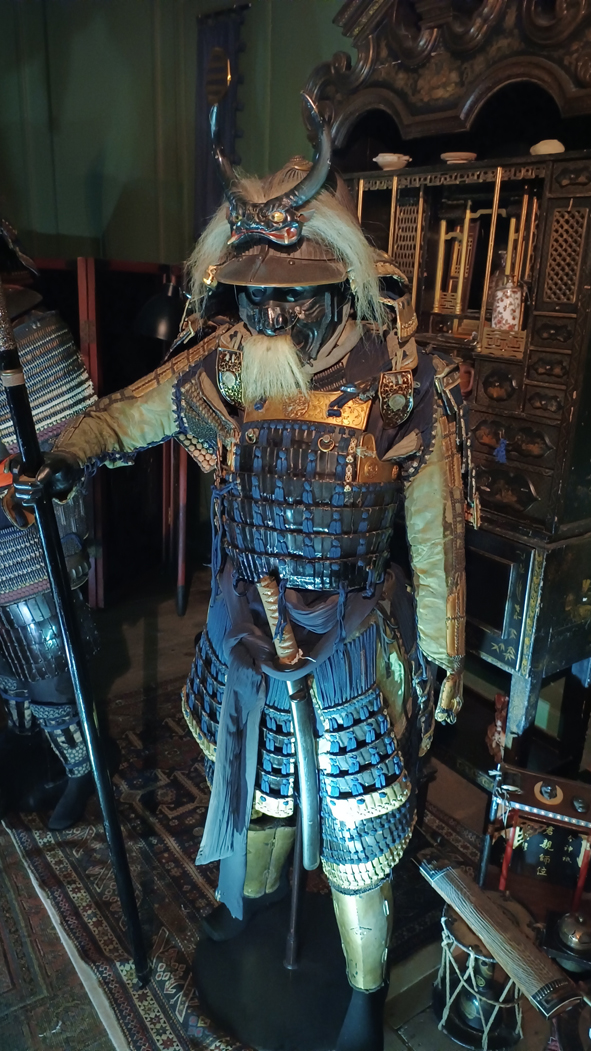
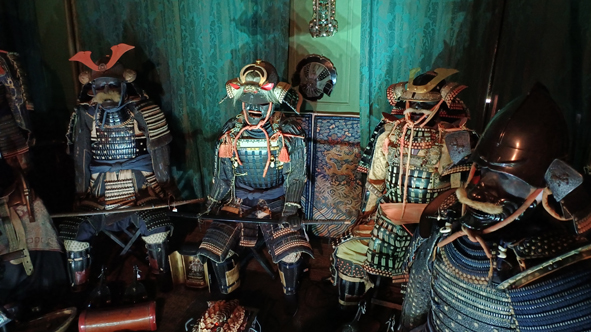
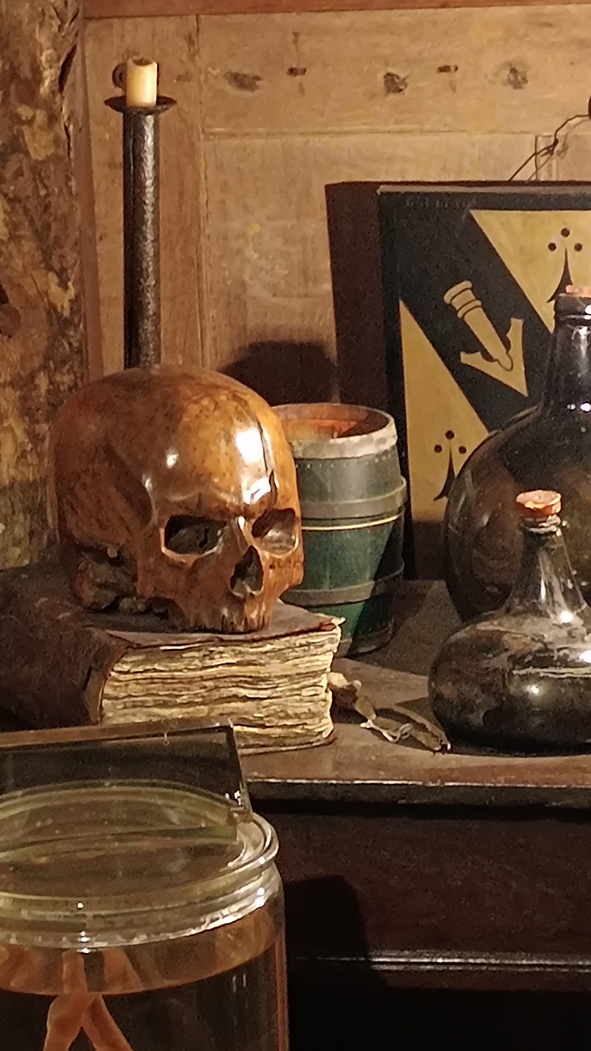
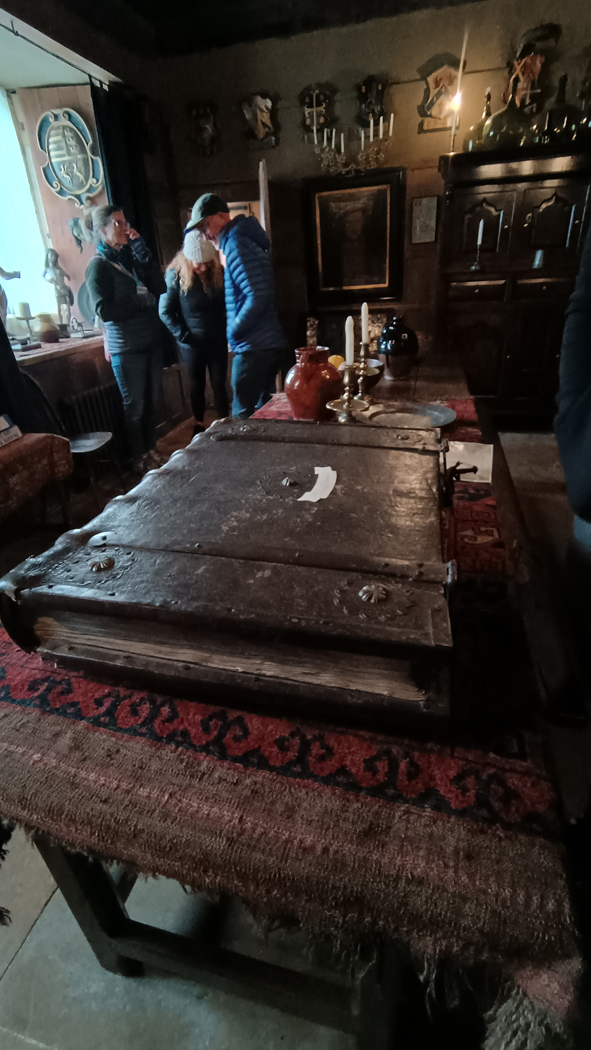
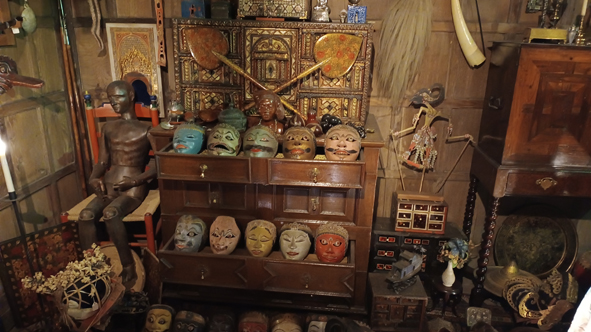
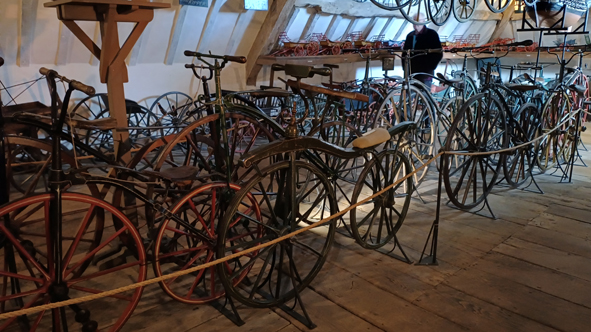
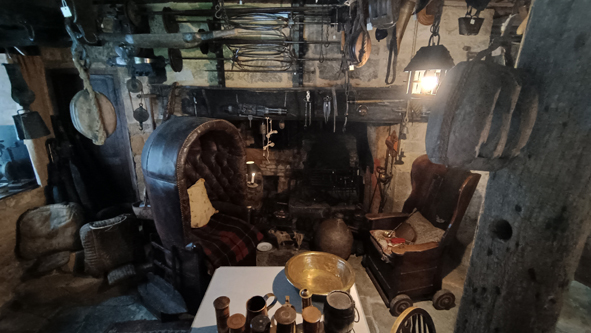
Charles Wade didn’t live in the main house – this was his museum and venue of the numerous parties he through. His living quarters were in the “shed” next door and comprised of two rooms!
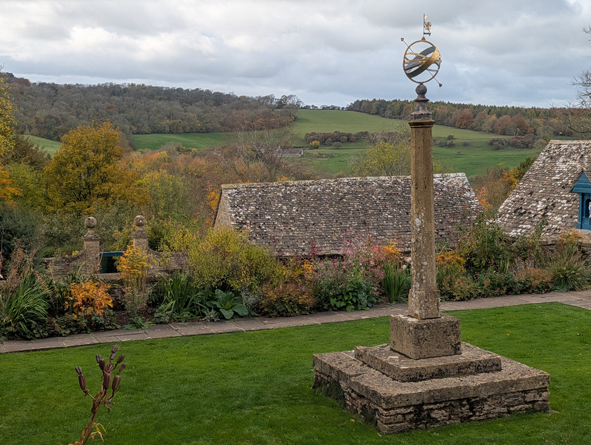
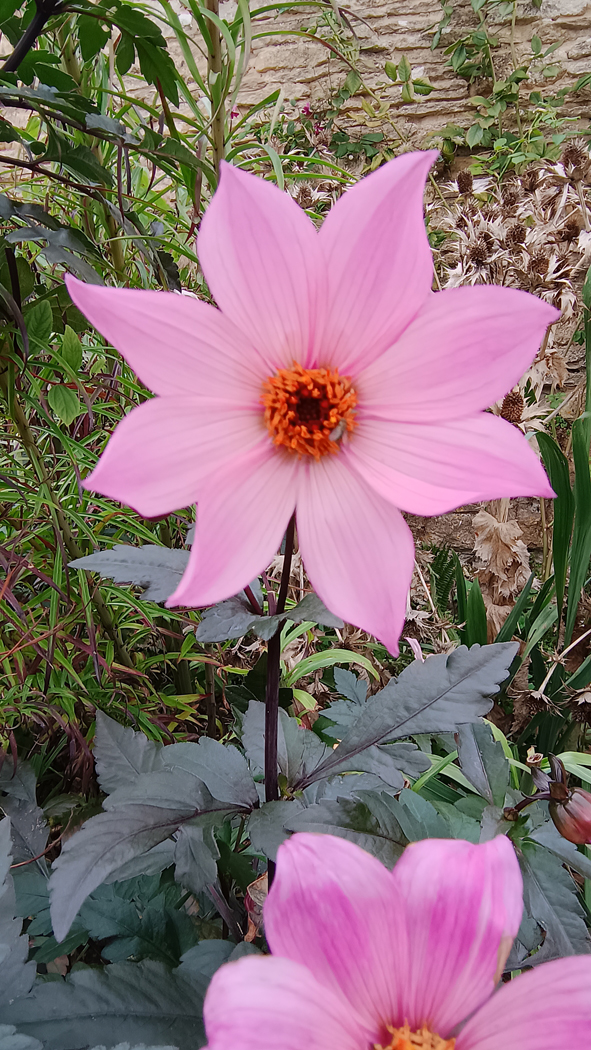
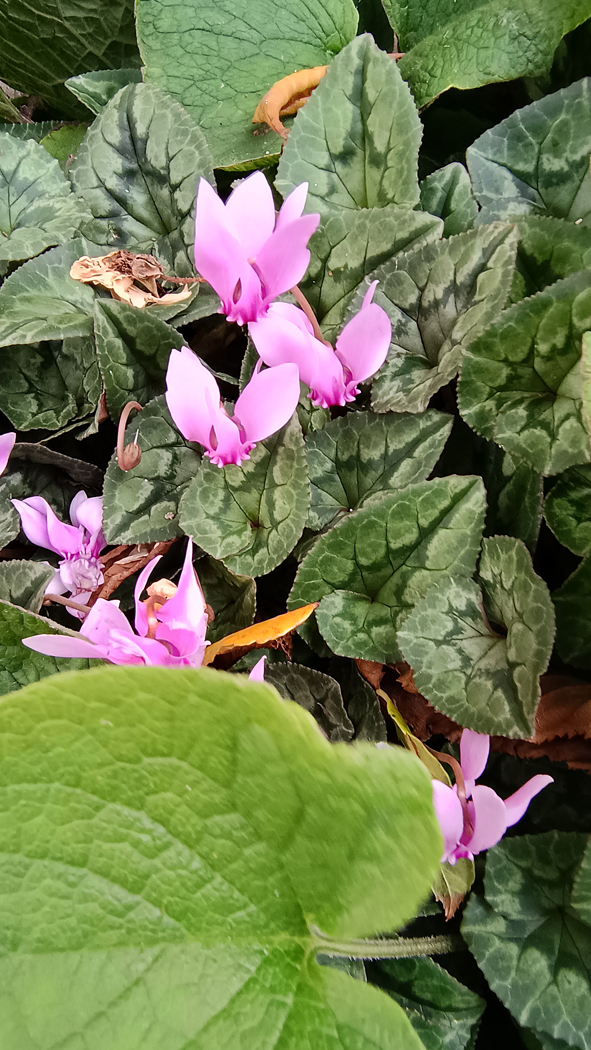
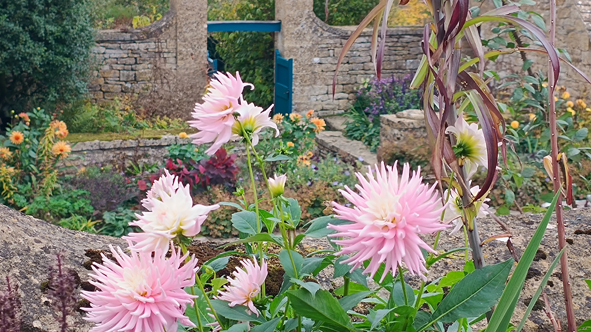
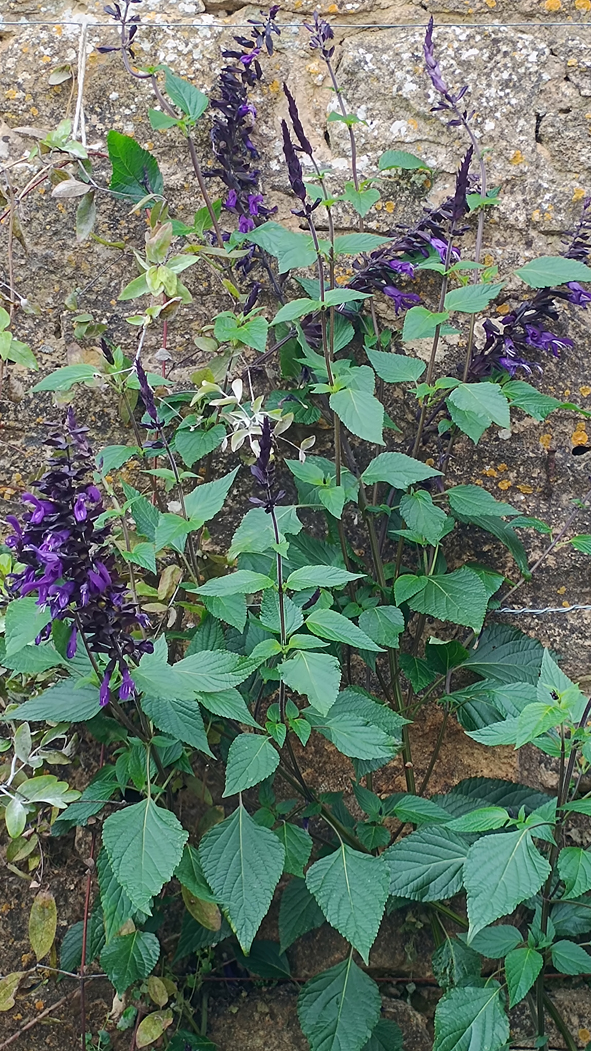
As we were in October, the gardens were well their best. The last reminants of dahlias and roses provided splashes of colour.
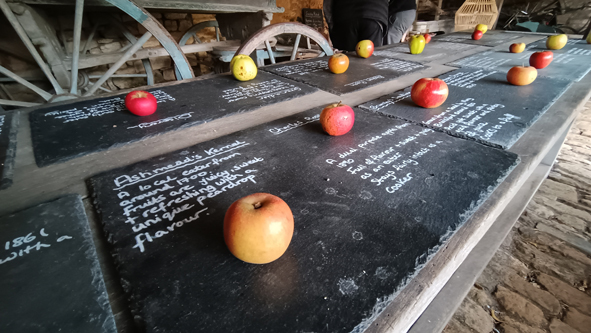
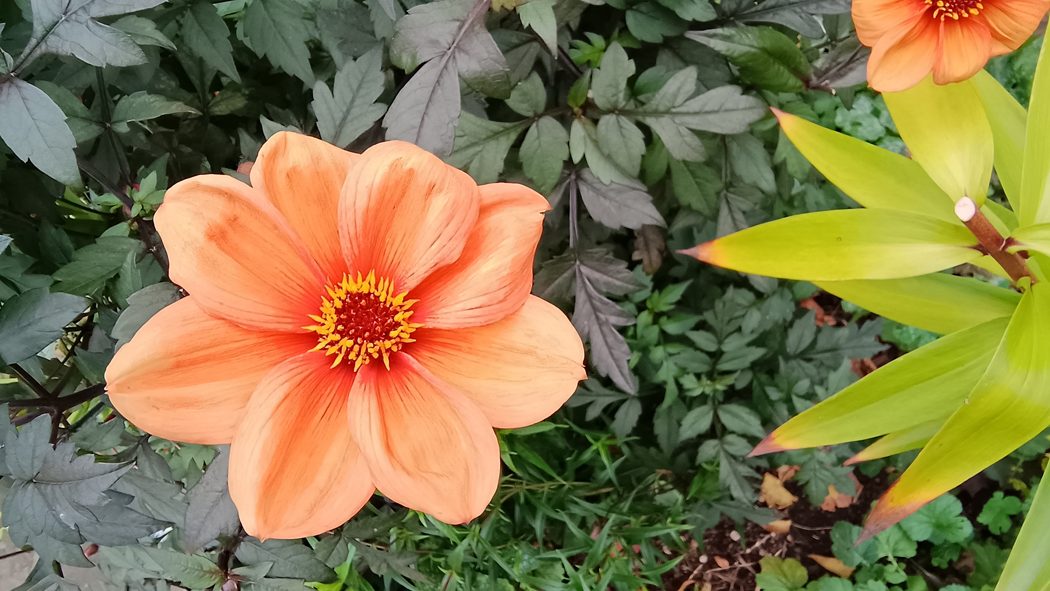
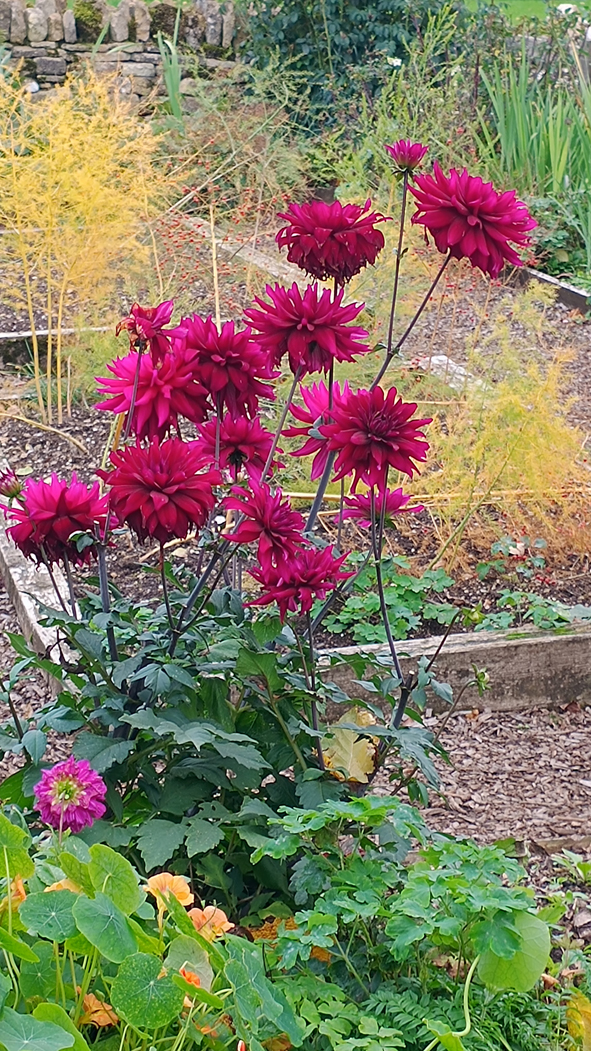
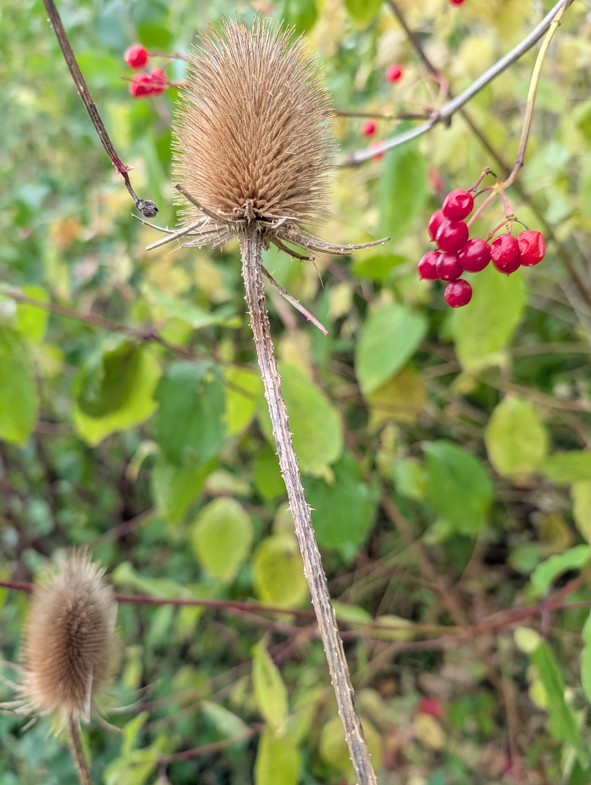
Safe to say, Jon was relieved when we left. Before leaving Snowshill, we tried to get a table at the pub in the village – it reopened that day after refurbishment. Every table was full so we headed off to find a pub for tea! It’s a very pretty village though.
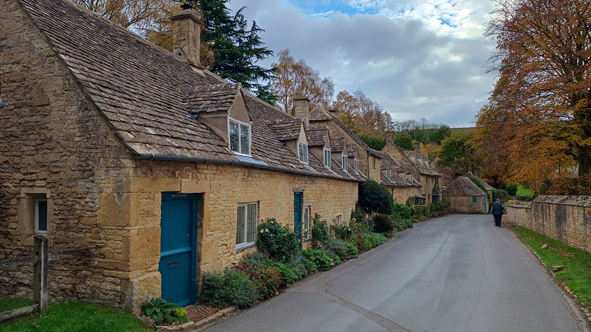
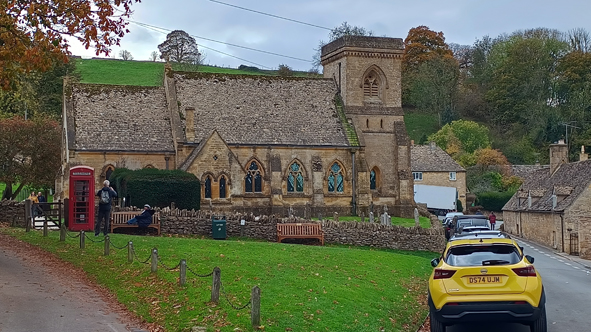
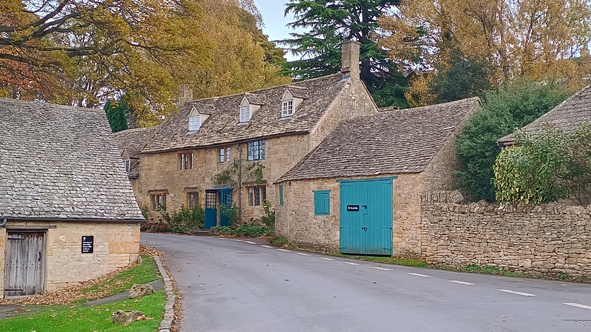
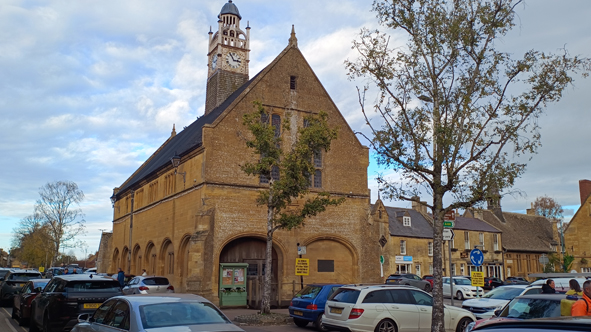
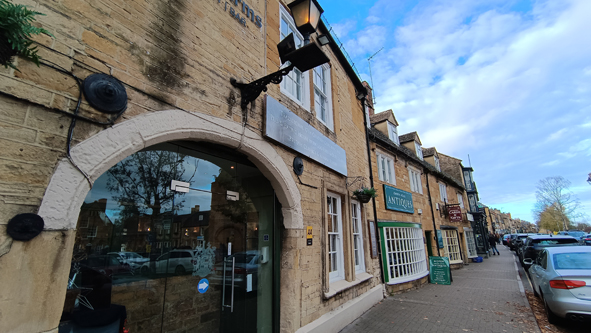
We drove Bourton-on-the-Hill down to Moreton-in-Marsh. We found a car park in Moreton-in-Marsh and had a wander around. Another very picturesque Cotswold village. We tried a couple of pubs but they were either full or the menu was a little lacklustre.
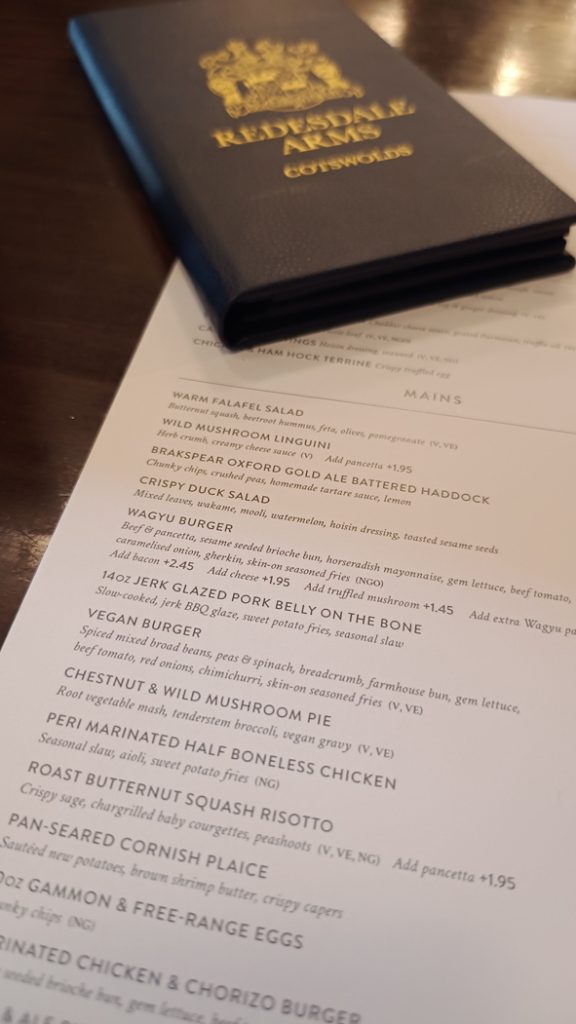
In the end we settled on a table in The Redesdale Arms. The food was nice – typically British pub food. Jon and I had Gammon, Egg and Chips whilst Callum had a Chicken & Chorizo Burger.
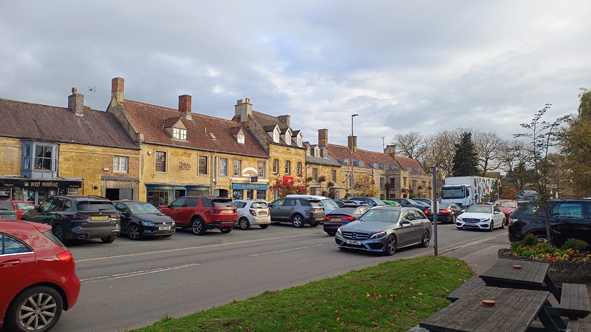
A good day out – although memorable for different reasons!